


TL;DR:
- Safe scissor lift operation requires strict adherence to manufacturer guidelines, OSHA standards, and ANSI/SAIA A92.20 requirements to prevent incidents and ensure safety during every shift. Proper pre-operation checks, model-specific training, and continuous hazard assessment are essential for preventing common hazards like tip-overs and electrical contact. Regular maintenance and communication among team members further enhance safety and long-term equipment reliability.
Safe scissor lift operation is defined by strict adherence to manufacturer guidelines, OSHA standards, and ANSI/SAIA A92.20 requirements before, during, and after every shift. Scissor lifts, formally classified as Mobile Elevating Work Platforms (MEWPs), are among the most common aerial work platforms on construction sites. They are also among the most misused. Knowing how to operate a scissor lift safely means more than pressing the right buttons. It means understanding load limits, surface conditions, weather thresholds, and emergency procedures before you ever leave the ground.
Every safe scissor lift operation starts on the ground, not in the air. A thorough pre-operation inspection catches problems before they become emergencies. The scissor lift inspection procedure covers the full checklist, but here are the non-negotiables every operator must verify before powering on.
Surface stability is one of the most overlooked scissor lift safety guidelines. Indoor floor load capacity must meet or exceed 125 pounds per square foot. Anything less puts the machine and operator at risk of floor collapse or tip-over.
Outdoors, wind speed is the critical variable. ANSI/SAIA A92.20 standards require operators to lower the platform immediately when sustained wind speeds exceed 28 mph. Use an anemometer on exposed job sites. Do not rely on feel alone.
| Environmental Factor | Safe Threshold | Action if Exceeded |
|---|---|---|
| Wind speed (outdoor) | Below 28 mph | Lower platform immediately |
| Floor load capacity (indoor) | 125 PSF minimum | Do not operate until verified |
| Power line clearance | 10 feet minimum | Reposition or halt operation |
| Ground slope | Per manufacturer spec | Use outriggers or relocate |
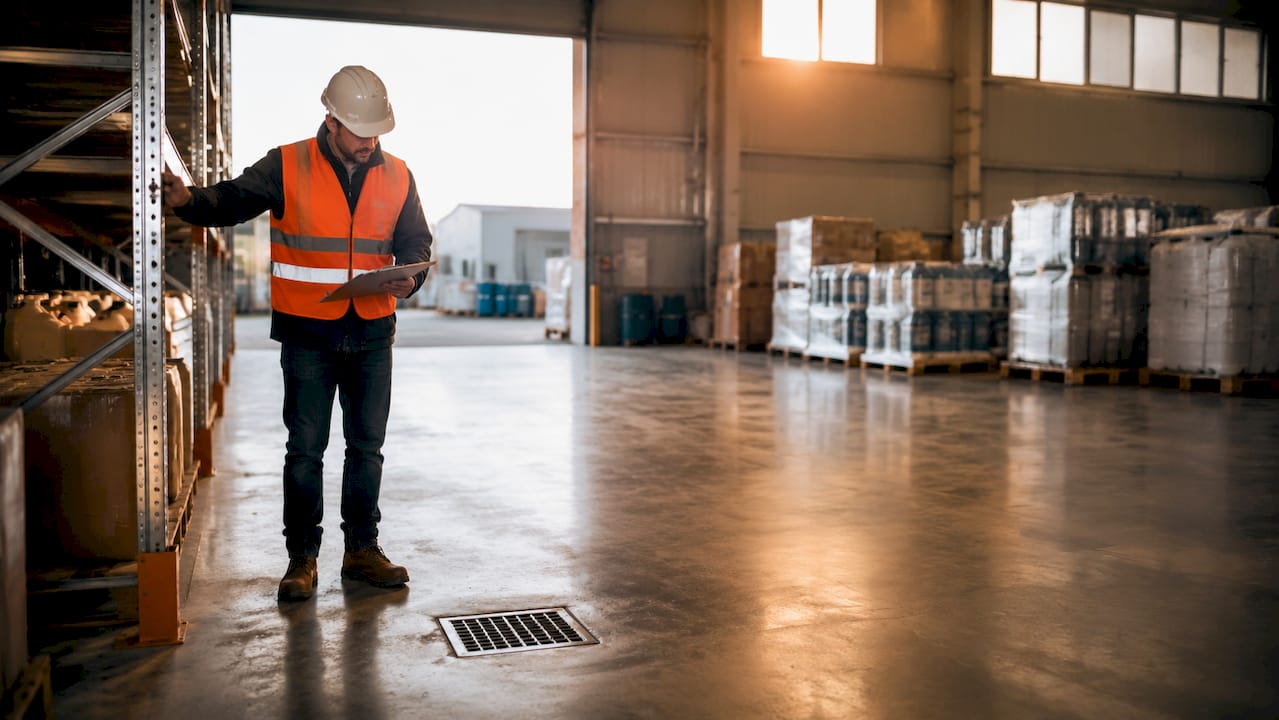
Pro Tip: Walk the full travel path of the lift before you move it. Identify floor drains, grates, soft ground patches, and overhead obstructions before you are elevated and committed to a position.
Scissor lift operation basics follow a consistent sequence. Deviating from that sequence is where most incidents begin. Follow these steps every time, without shortcuts.
Pro Tip: In cold weather, allow a hydraulic pre-charge period of 10–15 minutes before operating. Cold hydraulic fluid causes jerky, unpredictable platform movement that can throw an operator off balance.
If the platform fails to lower normally, locate the manual descent valve. Every operator must know its location before the shift starts, not during an emergency.
Most fatal scissor lift injuries occur because of failures in training and hazard assessment, not mechanical failure alone. That finding reframes how you should think about risk. The machine rarely fails on its own. The operator or the site assessment fails first.
“Failing to follow manufacturer instructions, inadequate training, equipment failure, and poor hazard assessment are the most common contributors to scissor lift injuries and deaths.” — WorkSafe
These are the hazards that send operators to the hospital most often:
Operators who skip the scissor lift safety rules because a job seems quick or routine are the ones who get hurt. Complacency is not a personality flaw. It is a predictable human response to repetition. Build the checklist habit so it runs on autopilot.
Maintenance is not just about keeping the machine running. It is a direct safety function. A hydraulic leak discovered during a daily inspection is a near-miss. The same leak discovered when the platform fails to lower at 30 feet is an emergency.
For a full maintenance protocol, the scissor lift maintenance basics guide covers warehouse and construction site requirements in detail.
| Maintenance Task | Frequency | Why It Matters |
|---|---|---|
| Hydraulic fluid check | Daily | Prevents platform failure at height |
| Battery charge verification | Before each shift | Avoids mid-operation power loss |
| Scissor stack lubrication | Per manufacturer schedule | Reduces wear and uneven movement |
| Tire inspection | Daily | Maintains stability on all surfaces |
| Defect documentation | After every inspection | Creates a compliance and liability record |
Storage matters too. Always lower the platform fully before storing the machine. A raised platform holds hydraulic pressure in the system. Over time, that pressure degrades seals and causes slow leaks that are easy to miss until they become serious failures.
Safe scissor lift operation requires model-specific training, thorough pre-operation checks, and strict adherence to OSHA and ANSI/SAIA A92.20 standards on every shift.
| Point | Details |
|---|---|
| Pre-operation checks are non-negotiable | Inspect guardrails, hydraulics, tires, battery, and site conditions before every shift. |
| Wind and surface limits are hard stops | Lower the platform above 28 mph winds and verify indoor floors meet 125 PSF capacity. |
| Never move while elevated | Driving a raised scissor lift is one of the leading causes of tip-over fatalities. |
| Model-specific training is required | Generalized knowledge is not enough; operators must train on the exact unit they will use. |
| Maintenance prevents emergencies | Daily hydraulic, battery, and tire checks catch failures before they happen at height. |
I have reviewed a lot of incident reports over the years, and one pattern shows up more than any other. The operator was not untrained. They were trained on a different machine.
Operators often underestimate the importance of specific equipment training. They know how scissor lifts work in general. But the emergency descent valve is in a different spot on this model. The load rating is lower than the last unit they used. The controls respond differently at full height. That gap between general knowledge and model-specific knowledge is where people get hurt.
The other thing I keep seeing is site hazard assessment treated as a one-time box to check at the start of a job. It is not. Conditions change throughout the day. A floor that was dry and solid at 7 a.m. may have a water leak running across it by noon. Wind picks up in the afternoon on most open sites. The hazard assessment is a continuous process, not a morning ritual.
The best crews I have worked around share one habit: they talk to each other. The operator tells the ground crew what they see from height. The ground crew tells the operator what they see from below. That communication loop catches hazards that no checklist captures. Build it into your site culture before an incident forces you to.
Knowing the rules is the starting point. Certification proves you can apply them under real conditions. Forkliftacademy delivers OSHA-compliant training programs for scissor lift operators, available online and onsite across the United States and Canada. Courses cover pre-operation inspection, safe operating procedures, hazard recognition, and emergency response for specific equipment types.
For supervisors and safety managers, the Train the Trainer online program builds internal certification capacity so your team stays compliant without relying on outside scheduling. With over 20 years of industry experience, Forkliftacademy has helped thousands of operators and companies meet OSHA standards and reduce worksite incidents. Start your certification today.
ANSI/SAIA A92.20 standards set the outdoor wind speed limit at 28 mph. Operators must lower the platform immediately when sustained winds exceed that threshold.
No. Moving a scissor lift while the platform is elevated is prohibited because it dramatically increases tip-over risk. Always lower the platform fully before traveling to a new position.
Operators must complete training specific to the model they will use, covering controls, load limits, and emergency procedures. OSHA requires documented training and evaluation before any operator uses aerial work platforms on a job site.
A visual inspection is required before every shift. This covers hydraulics, tires, battery charge, guardrails, and emergency controls. Weekly checks should include lubrication, electrical systems, and defect documentation.
The operator envelope is the protected zone defined by the platform guardrails. Both feet must remain on the platform floor within that zone at all times. Leaning over guardrails or standing on mid-rails violates the envelope and creates fall risk.
— Juiced