

TL;DR:
- Safety technology shifts from reactive mistake correction to proactive real-time safety intervention, significantly improving compliance. Integrating AI and sensor tools enhances human trainers’ reach, but over-reliance risks degrading independent judgment, emphasizing the need for unassisted practice. Effective adoption requires strategic integration of legacy systems, transparent data policies, and a focus on training outcomes that build workers’ decision-making skills.
Most safety professionals assume technology’s job is to catch mistakes after they happen. That assumption is costing companies compliance points and lives. The role of safety technology in training has shifted from reactive documentation to proactive, real-time intervention. A single computer vision pilot pushed airbag safety compliance from 25% to over 90% in two months, dropping near-miss incidents to zero. That kind of result doesn’t come from replacing trainers. It comes from giving them tools that multiply their reach and sharpen their judgment.
| Point | Details |
|---|---|
| Technology amplifies trainers | AI and sensor tools extend a trainer’s reach beyond the classroom into live job site coaching. |
| Integration beats replacement | Connecting legacy systems via AI creates unified safety intelligence, not a wholesale technology overhaul. |
| Cognitive dependency is real | Over-reliance on AI tools can degrade independent problem-solving in as little as 10 to 15 minutes of use. |
| Human review remains non-negotiable | AI-generated training content requires SME vetting to stay legally defensible and OSHA-compliant. |
| Balance drives results | Mixing tech-assisted drills with unassisted scenario practice builds the judgment workers need under pressure. |
The phrase “safety technology” gets used to describe everything from a wearable vibration sensor to a full AI coaching platform. For trainers, the practical question is: which tools actually change behavior in the field?
Right now, four technology categories are producing measurable results in workplace safety training.
The National Safety Council has invested over $1 million across 35 projects specifically focused on workplace injury prevention technology. That level of institutional backing signals that these tools are moving from pilot programs to standard operating procedure. For safety trainers, that means the question is no longer whether to use these tools. It’s how to use them without creating new problems.
Most facilities are not starting from scratch. You already have CCTV cameras, environmental sensors, machinery diagnostics, and incident reporting databases. The problem is that these systems rarely talk to each other.
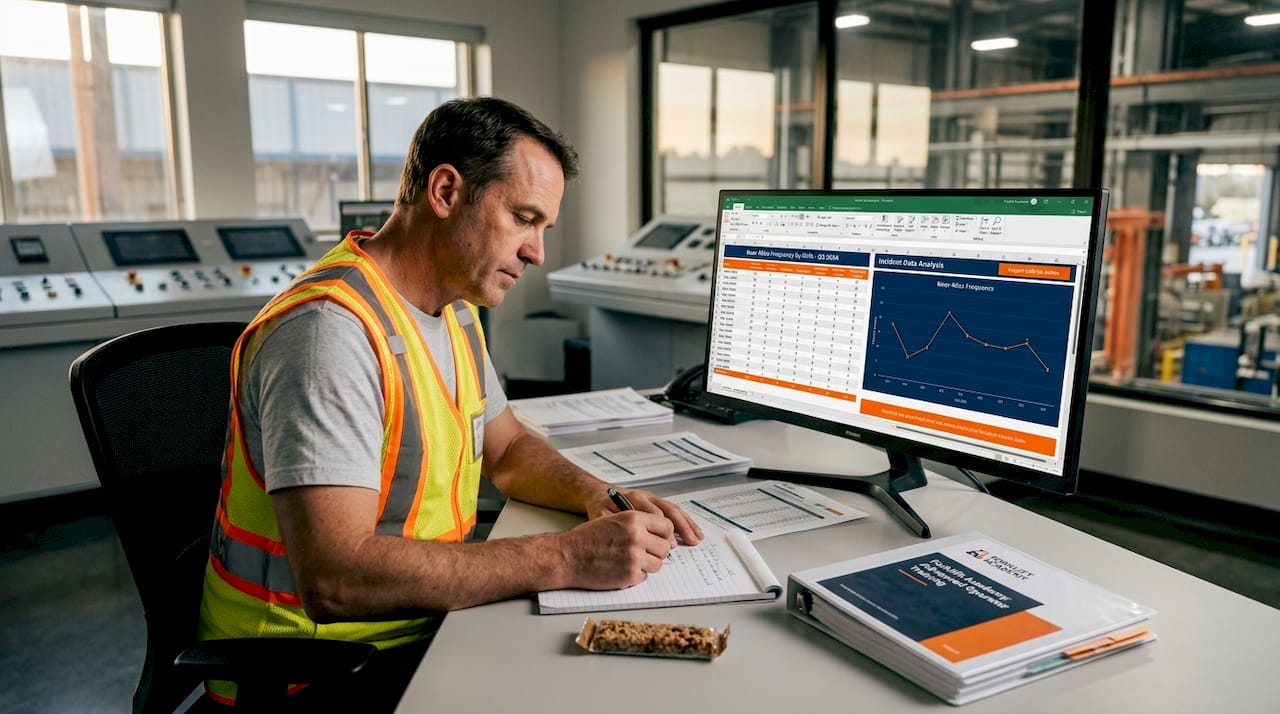
Integrating legacy assets like CCTV, audio feeds, and sensors through an AI layer creates a unified intelligent safety network. Instead of a camera that records footage nobody watches until after an incident, you get a system that flags near-misses in real time and pushes that data into your training program. Supervisors receive coaching prompts based on actual worker behavior, not hypothetical scenarios from a textbook.
This matters for training specifically because near-miss data is the richest raw material a trainer has. When your legacy systems are siloed, that data sits in separate reports. When they’re connected, it becomes a live curriculum.
| Integration stage | What it enables | Training benefit |
|---|---|---|
| CCTV + AI analysis | Real-time behavior detection | Identifies specific skill gaps by worker or shift |
| Sensor + machinery diagnostics | Equipment condition monitoring | Flags pre-incident patterns for scenario training |
| Incident database + LMS | Compliance tracking and audit trails | Automates documentation and surfaces recurring risks |
| All systems unified | Continuous risk intelligence | Enables proactive coaching instead of post-incident reaction |
Pro Tip: When pitching an integration project internally, frame the legacy systems as existing investments you’re maximizing, not old technology you’re replacing. Finance teams respond better to “multiply” language than “overhaul” language.
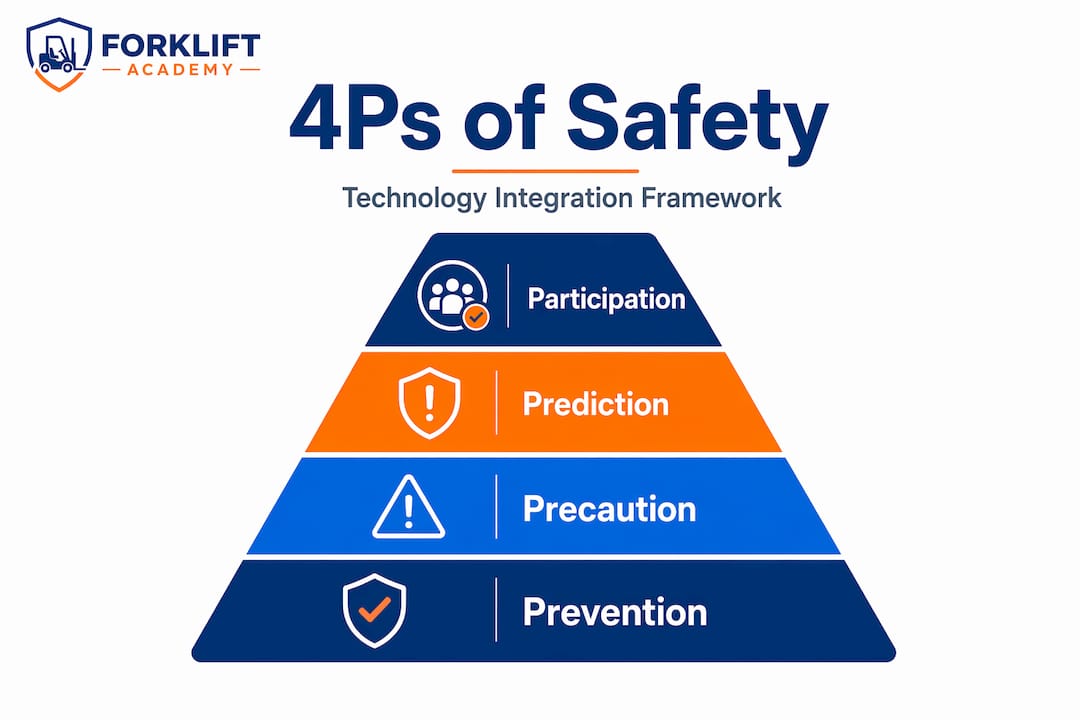
The 4Ps framework from Cambridge researchers offers a practical structure for adoption: Prevention, Precaution, Prediction, and Protection. Each technology you add should map to at least one of those four categories. If it doesn’t, it’s solving a problem you may not actually have.
Here’s where most technology evangelism goes quiet. The same AI tools that improve compliance can degrade the independent judgment you’re trying to build.
Research shows that over 70% of professionals accept AI outputs without verification, particularly under time pressure. In safety-critical environments, that acceptance behavior is dangerous. If a worker learns to wait for an AI prompt before acting, what happens when the system glitches, the sensor fails, or the scenario doesn’t match the training data?
The research gets more specific. Short AI exposure, as brief as 10 to 15 minutes of AI-assisted guidance, measurably reduces independent problem-solving capabilities in trainees. That’s not a theoretical risk. That’s a training design problem you need to build around.
“The goal of safety training is not to create workers who follow prompts correctly. It’s to create workers who make the right call when no prompt exists.”
This reframes the entire conversation about how technology improves training. The benefit isn’t in replacing human judgment. It’s in sharpening it. AI coaching tools perform best when they function as decision-support assistants, providing hazard-focused feedback that trainers then discuss and contextualize. They break down when they become the sole authority in the training environment.
The practical fix is deliberate unassisted practice. Schedule scenario drills where the AI tools are off. Run trainees through situations where they have to identify hazards and make calls without any real-time coaching. This is not technophobia. This is how you calibrate the human component of your safety culture.
Knowing the tools exist and knowing how to deploy them effectively are two different skill sets. Here’s what actually works for safety trainers who want to leverage technology without losing control of outcomes.
Pro Tip: Tell workers exactly what your AI coaching system tracks and what it doesn’t. Transparency about data privacy is the single fastest way to get worker buy-in on new safety technology. Suspicion kills adoption.
Understanding the future of forklift training also means recognizing that technology’s role in training programs will keep expanding. The trainers who build frameworks for responsible adoption now will be far ahead when the next generation of tools arrives.
I’ve watched safety programs add technology because it looks impressive in a budget presentation, and I’ve watched programs use technology because it directly solves a measurable training gap. Those two approaches produce very different results.
What I’ve learned from working with forklift and warehouse safety programs over years is this: workers don’t resist technology. They resist technology that feels like it’s watching them instead of helping them. The difference is framing. When you introduce an AI coaching tool as a safety assistant and explain that it exists to flag hazards before they become injuries, adoption goes up. When you roll it out without explanation, workers assume it’s monitoring their productivity, and your safety culture takes a hit.
I’ve also seen trainers over-delegate to AI tools in ways that concern me. When a trainer stops designing unassisted practice scenarios because “the AI handles the coaching,” they’re removing the part of training that builds actual judgment. Technology handles pattern recognition at scale. Trainers build the human capacity to act correctly when patterns break down.
My honest recommendation is to use current safety compliance trends as a benchmark, but build your technology adoption plan around specific gaps in your training outcomes, not around the features list of a new platform. Start with one tool, measure its impact on a defined metric, then expand. That’s strategic adoption. Everything else is expensive experimentation.
— Juiced
The technologies covered in this article are most powerful when your trainers have the credentials and frameworks to use them correctly. Forkliftacademy offers Train the Trainer certification programs that are fully OSHA-compliant and built to support modern training environments, whether you’re running a single facility or managing safety programs across multiple sites.
Forkliftacademy’s training programs are available online and onsite, with over 20 years of industry experience behind every curriculum. If you’re applying the best practices from this article, starting with certified trainers is the foundation everything else builds on.
Safety technology improves training by providing real-time hazard feedback, automating compliance documentation, and generating data-driven insights that trainers use to address specific skill gaps. It amplifies trainer effectiveness rather than replacing human instruction.
Yes. Research shows that short AI-assisted sessions can reduce independent problem-solving in as little as 10 to 15 minutes, which is why unassisted scenario practice must remain part of every technology-supported training program.
You connect existing assets like CCTV, sensors, and incident databases through an AI layer that creates a unified safety intelligence network. This turns siloed data into real-time coaching prompts and near-miss alerts that feed directly into your training program.
Start with tools that address your highest-frequency risk. Computer vision and AI coaching platforms produce the fastest measurable compliance gains, but any technology adoption should map to a specific gap in your current training outcomes before you commit resources.
OSHA does not yet have AI-specific regulations, but maintaining SME review of AI content is the current standard for legal defensibility. Any AI-generated training material should be vetted by a qualified subject matter expert before deployment.