 Skip to content
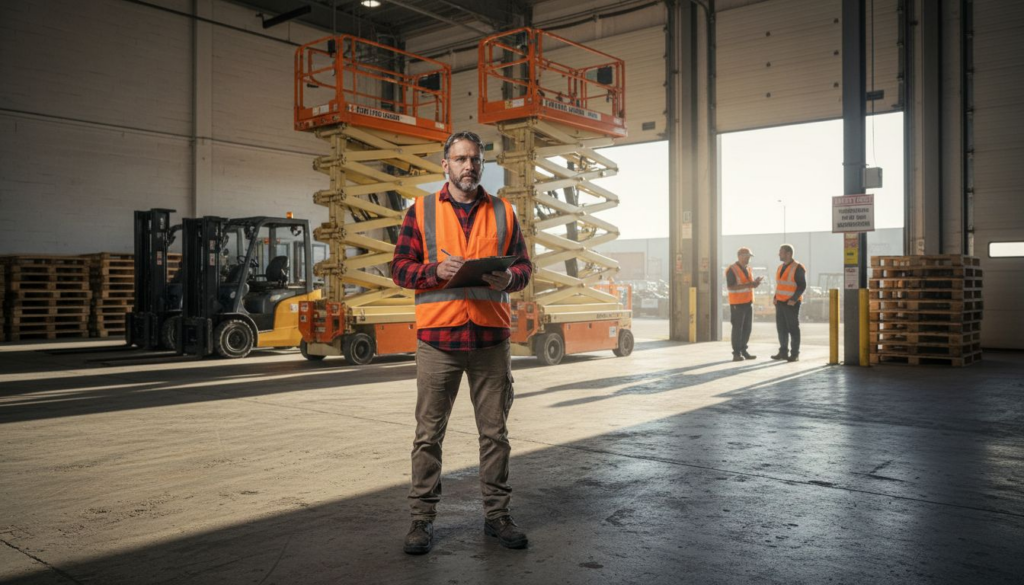

Operating forklifts, scissor lifts, and aerial lifts means more than just handling heavy equipment. The challenge is meeting strict safety rules while protecting your team from workplace accidents. Figuring out exactly what training is required can leave you wondering if you are really doing enough to meet federal standards.
You need concrete steps that make certification simple for every type of lift your organization uses. This list breaks down exactly what OSHA and ANSI demand—covering forklifts, scissor lifts, aerial lifts, and more—so you never have to guess about compliance or operator safety again. Get ready to find out precisely what each certification involves and how you can keep your workplace both safe and legal.
| Takeaway | Explanation |
|---|---|
| 1. Mandatory Certification is Essential | OSHA mandates training for operators to ensure safety and compliance in the workplace. |
| 2. Periodic Recertification Required | Operators must undergo recertification every three years to maintain competency and adhere to regulations. |
| 3. Employers Bear Certification Responsibility | It is the legal obligation of employers to ensure their operators receive the necessary training and certification. |
| 4. Safety Protocols are Critical | Comprehensive training covers hazard identification and emergency response to minimize workplace accidents. |
| 5. Train-the-Trainer Enhances Safety | Developing internal trainers helps create customized safety programs and maintain consistent safety standards. |
Forklift operator certification is a critical safety requirement that protects workers and ensures workplace efficiency. The Occupational Safety and Health Administration (OSHA) mandates comprehensive training and evaluation for all powered industrial truck operators to minimize workplace accidents and potential injuries.
OSHA’s certification requirements are comprehensive and involve multiple critical components:
The certification process includes detailed OSHA training standards that cover essential operational knowledge. Operators must demonstrate proficiency in several key areas including truck controls understanding, load handling techniques, vehicle inspection procedures, and recognizing potential workplace safety risks.
Employers are legally responsible for ensuring their forklift operators receive proper certification. This involves a three-year certification cycle that requires periodic re-evaluation and potential refresher training. The certification process is not just a bureaucratic requirement but a critical safety intervention that directly reduces workplace accidents.
Key certification requirements include:
OSHA certification isn’t optional – it’s a legal requirement designed to protect workers and prevent workplace accidents.
Pro tip: Always maintain detailed training records and schedule periodic skills assessments to stay compliant with OSHA regulations and ensure ongoing workplace safety.
Scissor lift certification represents a critical safety protocol for workers performing elevated tasks in industrial and construction environments. This specialized training ensures operators can safely navigate potentially hazardous work scenarios while minimizing workplace accidents.
The certification process encompasses comprehensive requirements that protect both workers and employers. Essential scissor lift training covers multiple critical safety dimensions:
OSHA and ANSI standards mandate that only trained and authorized employees can operate scissor lifts. The certification process involves detailed instruction on equipment-specific operational guidelines, including understanding load capacities, platform limitations, and potential environmental risks.
Key certification requirements include:
Scissor lift certification is not just a regulatory requirement – it’s a fundamental workplace safety commitment.
Employers must provide written safe operating procedures and ensure each operator receives personalized training matched to their specific work environment and equipment type.
Pro tip: Always conduct a thorough pre-use equipment inspection and maintain current certification documentation to ensure ongoing workplace safety and regulatory compliance.
Aerial lift certification is a critical safety requirement for workers performing elevated tasks in construction industrial and maintenance environments. Understanding the nuanced certification process ensures workplace safety and regulatory compliance for Mobile Elevating Work Platforms (MEWPs).
Globally recognized training programs provide comprehensive instruction for aerial lift operators covering multiple critical safety dimensions:
OSHA regulation 29 CFR 1926.453 mandates specific requirements for aerial lift operations. These standards encompass various lift types including extensible boom platforms aerial ladders articulating boom platforms and vertical towers.
Key certification requirements include:
Aerial lift certification represents more than a regulatory requirement – it is a fundamental commitment to workplace safety and worker protection.
The International Powered Access Federation (IPAF) provides a standardized approach to certification with training programs that include both theoretical and practical components. Successful participants receive a Powered Access Licence (PAL Card) valid for five years.
Pro tip: Always conduct a comprehensive pre-operation equipment inspection and maintain current certification documentation to ensure maximum safety and compliance with industry standards.
Order picker certification represents a critical safety and operational requirement for warehouse professionals managing complex inventory systems. These specialized forklift operators play a crucial role in efficient warehouse logistics and material handling.
Warehouse safety training encompasses comprehensive skill development for order picker operators:
OSHA regulations mandate specific requirements for order picker certification. Employers must provide formal instruction practical training and thorough performance evaluations to ensure operator competence and workplace safety.
Key certification requirements include:
Order picker certification is not just a regulatory requirement – it’s a fundamental commitment to workplace safety and operational excellence.
The certification process ensures operators can safely navigate complex warehouse environments manipulate specialized equipment and minimize potential workplace accidents.
Pro tip: Maintain detailed training records and conduct regular skills assessments to ensure ongoing compliance and maximize workplace safety performance.
Pallet jack certification is an essential safety protocol for warehouse personnel who handle material movement and inventory management. Understanding the nuanced training requirements helps organizations maintain workplace safety and operational efficiency.
Comprehensive industrial truck training focuses on critical safety dimensions for pallet jack operators:
OSHA mandates specific requirements for powered industrial truck operators including pallet jack personnel. The certification process ensures operators understand complex safety protocols and equipment handling techniques.
Key certification requirements include:
Pallet jack certification represents a fundamental commitment to preventing workplace injuries and maintaining operational excellence.
Employers must provide comprehensive training that covers equipment controls load management techniques and critical safety measures to minimize potential workplace accidents.
Pro tip: Conduct regular skill assessments and maintain detailed training documentation to ensure ongoing compliance and maximize workplace safety performance.
Rough terrain forklift certification represents a specialized training protocol for operators working in challenging outdoor environments. These unique vehicles require advanced skills beyond standard warehouse forklift operations.
Industrial truck safety standards emphasize critical training dimensions for rough terrain operators:
The International Organization for Standardization (ISO) and OSHA mandate comprehensive training requirements for rough terrain forklift operators. These regulations ensure safe operation across diverse and unpredictable work environments.
Key certification requirements include:
Rough terrain forklift certification is more than a regulatory requirement – it’s a critical safety investment for complex operational environments.
Operators must demonstrate proficiency in managing unique challenges such as uneven ground limited visibility and dynamic load conditions. Employers are responsible for developing rigorous training programs that address these specialized operational requirements.
Pro tip: Conduct periodic skill assessments and maintain detailed training documentation to ensure ongoing competence in challenging terrain operations.
Train-the-trainer certification represents a strategic approach for organizations to develop internal safety training capabilities for lift equipment operators. This specialized certification empowers experienced professionals to become authorized safety instructors within their workplace.
Comprehensive safety instructor training covers critical components of workplace safety education:
The certification process enables experienced professionals to transform their practical knowledge into structured educational programs. Organizations benefit by creating a sustainable internal training framework that ensures consistent safety standards.
Key train-the-trainer certification requirements include:
Train-the-trainer certification transforms experienced workers into organizational safety leaders.
Participants receive comprehensive training materials facilitator guides and the legal authorization to conduct in-house operator training programs. This approach allows companies to develop customized safety training tailored to their specific workplace environments.
Pro tip: Select train-the-trainer candidates with strong technical expertise and excellent communication skills to maximize the effectiveness of your internal safety training program.
Below is a comprehensive table summarizing the certification processes and requirements for various industrial equipment as discussed in the article.
| Equipment | Certification Requirements | Key Safety Components | Recertification Period |
|---|---|---|---|
| Forklift | Theoretical and hands-on training, evaluation of skills for hazards | Vehicle inspection, load handling, workplace risk identification | 3 years |
| Scissor Lift | Classroom and equipment demonstration, site-specific instruction | Equipment limits, fall prevention, emergency procedures | 3 years |
| Aerial Lift | Formal and practical training, understanding equipment-specific risks | Load capacities, fall protection, hazard protocol implementation | 3 years |
| Order Picker | Instruction and performance assessment for warehouse operations | Load stability, hazard recognition, safety documentation | 3 years |
| Pallet Jack | Classroom and practical training, knowledge assessment | Safe control, capacity limits, pedestrian interaction protocols | 3 years |
| Rough Terrain Forklift | Advanced operational and situational training, stability management | Navigation on rugged terrains, safety evaluations | 3 years |
| Train-the-Trainer Program | Instructor techniques, safety standard compliance training | Development of internal training frameworks | 5 years |
Navigating the various lift equipment certifications can feel overwhelming with the critical safety and regulatory requirements involved. This article highlights key challenges like understanding OSHA mandates, mastering practical training components, and maintaining ongoing recertification schedules. If achieving compliance, protecting your workforce, and boosting operational safety are your goals then comprehensive, OSHA-compliant training is the proven solution.
Discover how you can streamline certification for forklifts, scissor lifts, aerial lifts, and more through Forklift Certification Archives – Top OSHA Forklift Certification. With over 20 years of safety-focused expertise and flexible online or onsite courses, Forkliftacademy.com offers tailored programs that meet your exact workplace needs. Don’t let outdated training put your team or business at risk. Visit https://forkliftacademy.com today to get certified and ensure your operations meet the highest safety standards.
For career advancement or organizational safety improvements explore additional resources in our Career Archives – Top OSHA Forklift Certification and gain the confidence to operate any lift equipment safely and legally.
Lift equipment certifications include Forklift Operator Certification, Scissor Lift Certification, Aerial Lift (MEWP) Certification, Order Picker Certification, Pallet Jack Certification, Rough Terrain Forklift Certification, and Train-the-Trainer Certification. Each type ensures that operators are trained for specific equipment and safety operations.
Most lift equipment certifications require recertification every three years. Schedule your recertification before the expiration date to maintain compliance and ensure ongoing safety standards in your workplace.
Obtaining lift equipment certification involves formal training, hands-on practical assessments, and written examinations. Ensure to complete all training components and document your completion to be fully certified.
Your training records should include participants’ names, training completion dates, types of equipment covered, and evaluation results. Maintain these records for compliance and to ensure that operators are up-to-date with their certifications.
To prepare for the practical examination, review your training materials and practice operating the equipment under supervision. Familiarize yourself with safety protocols, load handling techniques, and specific equipment controls to increase your chances of success.
Train-the-trainer certification empowers experienced employees to provide internal training, maintaining a consistent safety standard within the organization. Implement this program to establish sustainable training practices that cater to your specific workplace needs.




 Optimized by Seraphinite Accelerator