 Skip to content
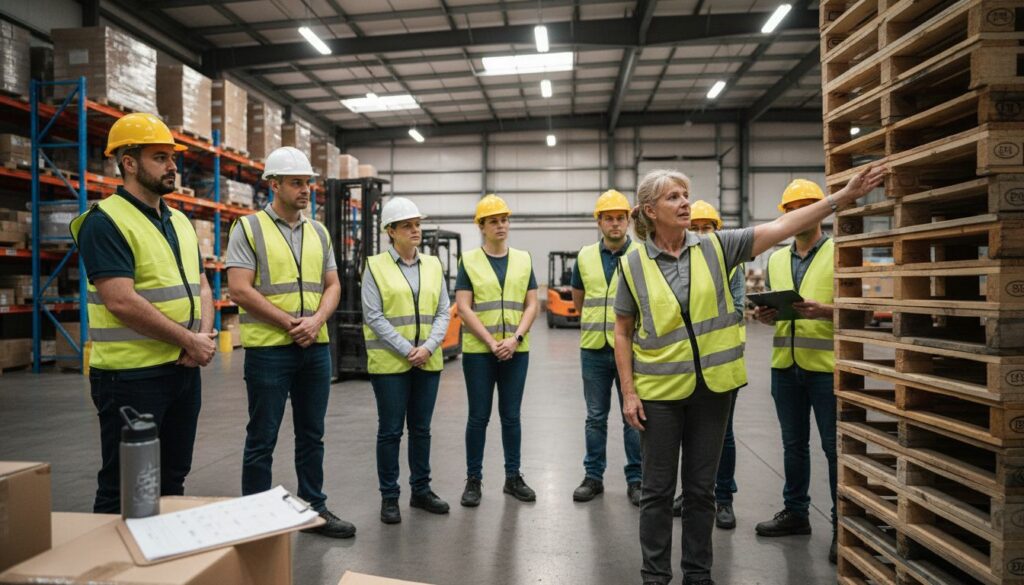

Workplace accidents cost American businesses billions each year, and over 25 percent of these incidents happen in warehouses. Protecting employees and meeting strict safety standards has never been more important for companies operating in the United States. With the right training in place, workers gain vital skills that help prevent injuries and keep operations running smoothly. This guide breaks down what every American employer and warehouse worker needs to know for safer, more productive shifts.
| Point | Details |
|---|---|
| Comprehensive Safety Training is Essential | Investing in thorough training programs fosters a proactive safety culture and significantly reduces workplace accidents. |
| Forklift Operator Certification is Crucial | Certification validates skills and ensures compliance with OSHA standards, enhancing workplace safety. |
| Employers Must Understand Their Legal Responsibilities | Maintaining accurate training documentation and conducting thorough evaluations are vital to avoiding regulatory penalties. |
| Accident Prevention Requires Ongoing Education | Continuous training and hazard identification empower workers to create a safe work environment and mitigate risks. |
Warehouse safety training represents a critical investment in preventing workplace accidents and protecting employees. Comprehensive training programs go beyond basic instruction, creating a culture of proactive risk management and systematic safety awareness. These programs systematically address potential hazards, equipment operation protocols, and emergency response procedures that can dramatically reduce workplace incidents.
Effective warehouse safety training encompasses multiple essential components. Foundational safety practices include understanding ergonomic risks, recognizing potential workplace hazards, and learning proper equipment handling techniques. The key areas of focus typically involve:
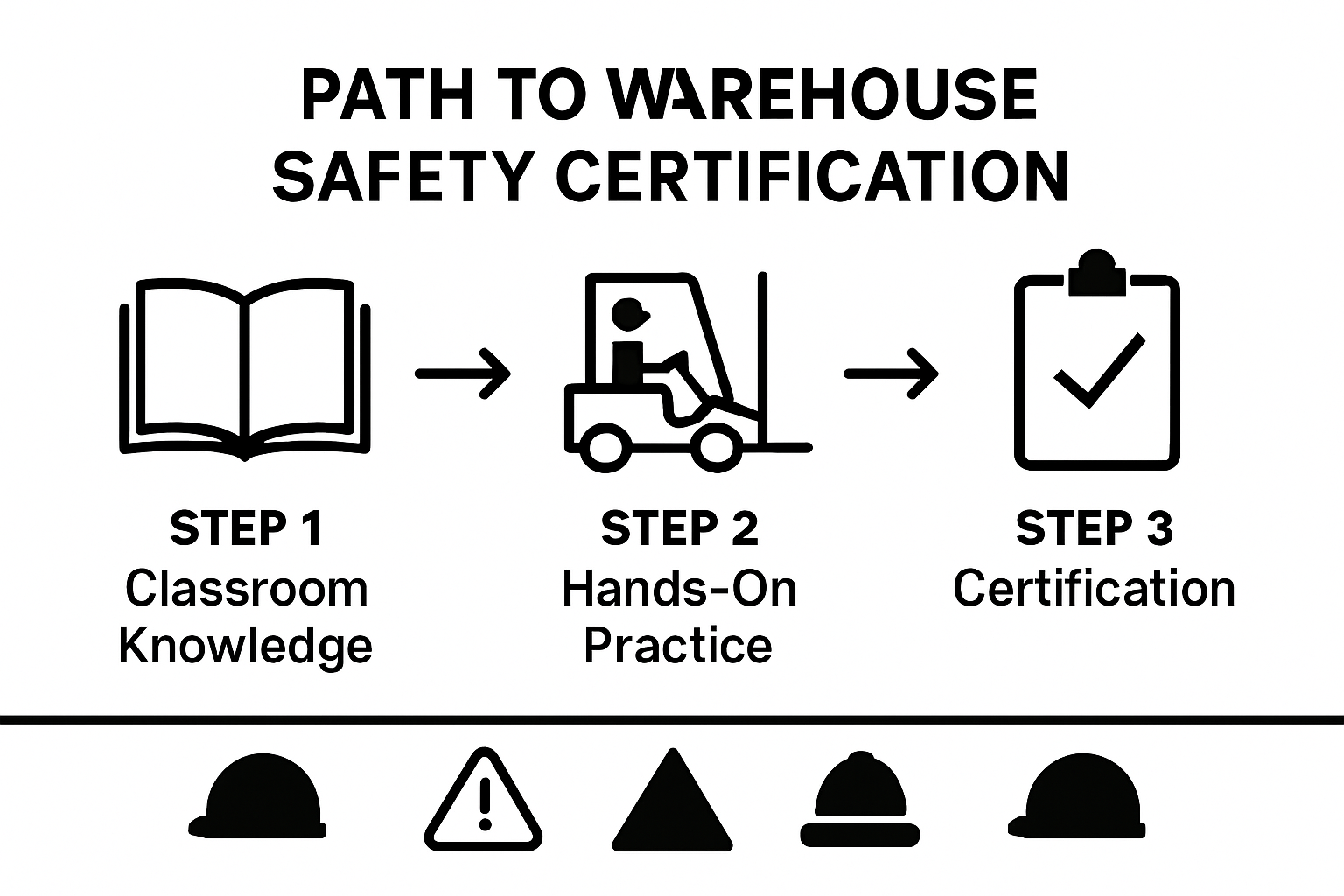
Training effectiveness depends on a combination of theoretical knowledge and practical skill development. Workers must not only understand safety principles but also demonstrate competence in applying those principles in real-world scenarios. This approach requires interactive training modules that blend classroom instruction with hands-on practice, ensuring that employees can translate safety guidelines into consistent workplace behaviors. Periodic refresher courses and ongoing education help maintain high safety standards and keep workers updated on the latest regulatory requirements and best practices.
Implementing a robust training program requires commitment from both management and employees. Forklift trainer responsibilities play a crucial role in developing and maintaining comprehensive safety education strategies. By investing in thorough, engaging training experiences, warehouses can significantly reduce accident rates, minimize worker compensation claims, and create a safer, more productive work environment.
Forklift operator certification represents a critical professional credential that demonstrates a worker’s ability to safely and competently operate industrial equipment. Forklift operator requirements are designed to ensure workplace safety and regulatory compliance, providing a standardized approach to equipment operation training.
The certification process typically involves comprehensive training that covers multiple essential components. OSHA certification standards mandate specific training modules that include:
Certification demonstrates a worker’s proficiency in safely operating industrial machinery. Professional certification not only validates an individual’s skills but also significantly reduces workplace accident risks. Workers who complete comprehensive forklift certification programs gain critical knowledge about equipment handling, safety protocols, and industry best practices that protect both themselves and their colleagues.
Successful certification requires meeting rigorous training standards that go beyond basic operational skills. Workers must demonstrate theoretical understanding, practical competence, and a commitment to workplace safety. By investing in thorough certification processes, organizations create safer work environments, reduce potential liability, and ensure that equipment operators possess the necessary skills to perform their jobs effectively and responsibly.
Navigating the complex landscape of workplace safety regulations requires a comprehensive understanding of OSHA legal requirements for equipment operation. Understanding OSHA compliance is crucial for businesses seeking to maintain safe working environments and avoid potential legal penalties.
OSHA mandates specific certification requirements for industrial equipment operators. These legal standards include several critical components:
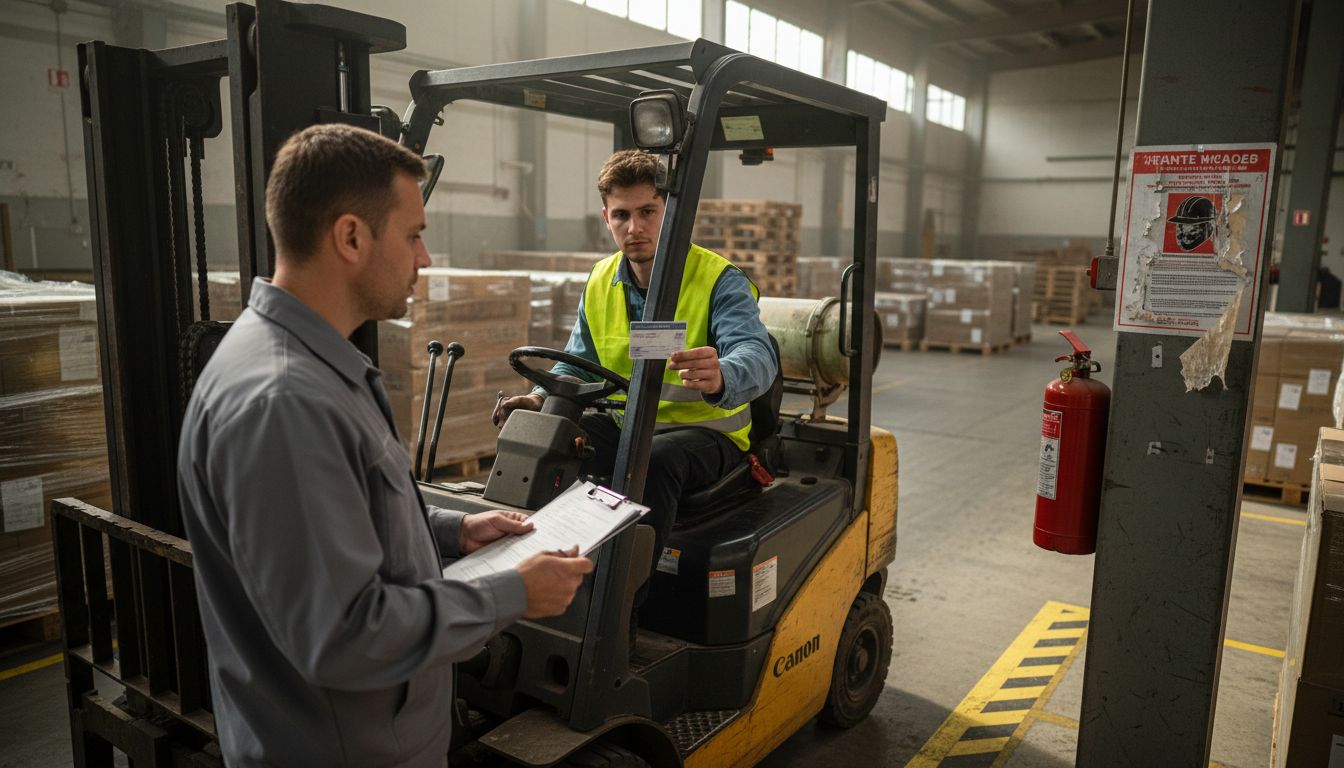
The certification process involves rigorous documentation and verification. Employers must provide written proof that includes the operator’s name, specific training dates, evaluation details, and the trainer’s credentials. Failure to maintain accurate documentation can result in significant workplace safety violations and potential financial penalties.
Complex legal requirements extend beyond simple training documentation. Employers must ensure that operators demonstrate both theoretical knowledge and practical competence in equipment operation. This comprehensive approach to certification protects workers, employers, and creates a culture of safety that goes far beyond mere regulatory compliance. By implementing thorough training and certification processes, organizations can significantly reduce workplace accidents, minimize liability risks, and create a safer, more productive work environment.
Effective accident prevention begins with comprehensive and strategic training that addresses the complex landscape of workplace safety. Forklift training tips demonstrate how targeted education can dramatically reduce workplace incidents and create a proactive safety culture.
Workplace safety training must encompass multiple critical dimensions of risk management:
Skilled training goes beyond basic operational instructions. It requires developing a deep understanding of potential workplace risks, teaching operators to anticipate and mitigate potential dangerous scenarios before they escalate. Workers must learn not just how to operate equipment, but how to create and maintain a safety-first environment that protects themselves and their colleagues.
The most effective accident prevention programs integrate theoretical knowledge with practical, hands-on experience. By combining classroom instruction with real-world scenario training, organizations can develop workers who are not just technically proficient, but fundamentally committed to maintaining a safe workplace. This holistic approach transforms training from a compliance requirement into a powerful tool for creating a culture of safety and continuous improvement.
Understanding legal employer responsibilities is crucial for maintaining workplace safety and avoiding potential regulatory penalties. Train the trainer programs provide critical insights into the comprehensive requirements employers must meet to ensure proper equipment operation and worker safety.
Employers have multiple critical responsibilities that extend far beyond basic training requirements:
Common mistakes can result in significant legal and financial risks. Employers frequently encounter challenges such as inadequate record keeping, inconsistent training protocols, and failure to conduct regular performance evaluations. These oversights can lead to increased workplace accidents, potential OSHA violations, and substantial financial penalties.
The most effective approach requires a proactive and systematic strategy for workforce training and safety management. By developing robust training programs, maintaining meticulous documentation, and creating a culture of continuous learning, employers can transform safety requirements from a compliance burden into a strategic advantage that protects workers, reduces liability, and enhances overall organizational performance.
The article highlights critical challenges in warehouse safety including the need for comprehensive training to prevent accidents and ensure OSHA compliance. If you are aiming to reduce workplace injuries, enforce effective safety programs, and maintain proper documentation you understand how complex and demanding these responsibilities can be. Key goals include mastering equipment operation, hazard recognition, and emergency procedures while building a strong safety culture that protects employees and your business.
Forkliftacademy.com is uniquely positioned to help you overcome these challenges with expertly designed training programs. Whether you require OSHA-compliant forklift and scissor lift certification for individuals or comprehensive business solutions such as onsite training and train-the-trainer kits, we provide flexible, proven options to fit your needs. Learn how our hands-on and online courses deliver real-world skills that transform safety knowledge into consistent workplace practice.
Explore our in-depth resources in the Forklift Safety Archives to deepen your understanding of critical safety topics. Take the next step toward a safer workplace by visiting our main site for course details and registration. For career-driven professionals, our Career Archives offer valuable insights to advance your skills and credentials.
Don’t wait to strengthen your safety program and stay current with regulations. Visit https://forkliftacademy.com now to access trusted forklift certification and training that empowers your team and protects your operations.
Effective warehouse safety training includes foundational safety practices like PPE usage, proper lifting techniques, equipment operation protocols, emergency response procedures, and workplace hazard identification.
Forklift operator certification ensures that operators are trained in safety protocols, risk assessment, and proper equipment handling, significantly reducing the likelihood of workplace accidents.
OSHA requires that equipment operators be at least 18 years old, undergo comprehensive training and evaluation, maintain written certification documentation, and periodically be re-evaluated for performance.
Employers can prevent common mistakes by identifying qualified trainers, conducting thorough operator evaluations, maintaining detailed training documentation, and implementing periodic performance reassessments.




 Optimized by Seraphinite Accelerator