 Skip to content
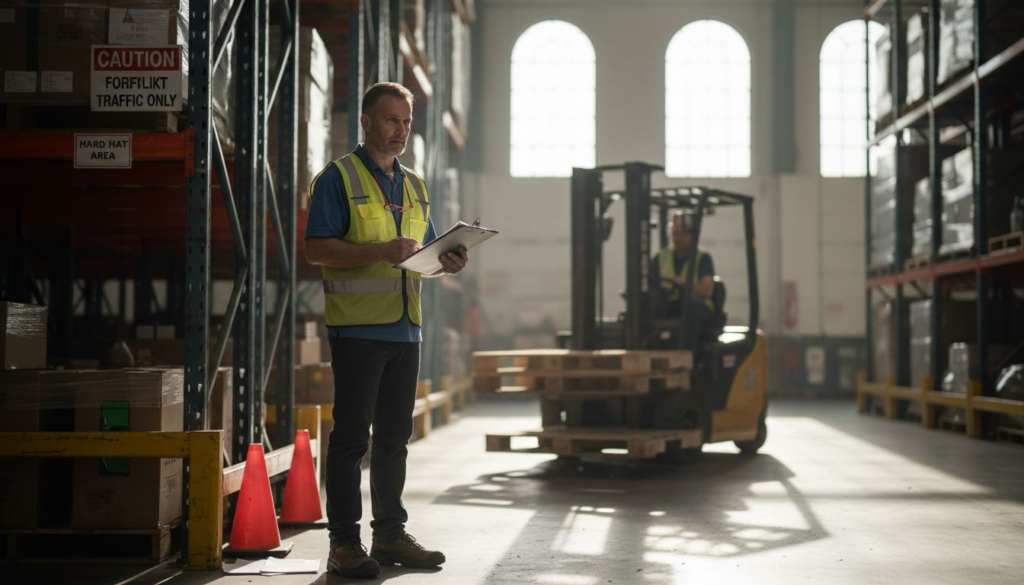

Every American forklift training manager knows that staying one step ahead of OSHA updates can make the difference between a smooth inspection and unexpected citations. The shift to the 2025 OSHA standards means traditional training practices need a closer look, with expanded focus on workplace violence prevention, ergonomic assessments, and hazard communication aligned with the Globally Harmonized System Revision 8. This guide shows how to address compliance gaps and build a training program that keeps your team protected and your business on solid ground.
| Key Point | Explanation |
|---|---|
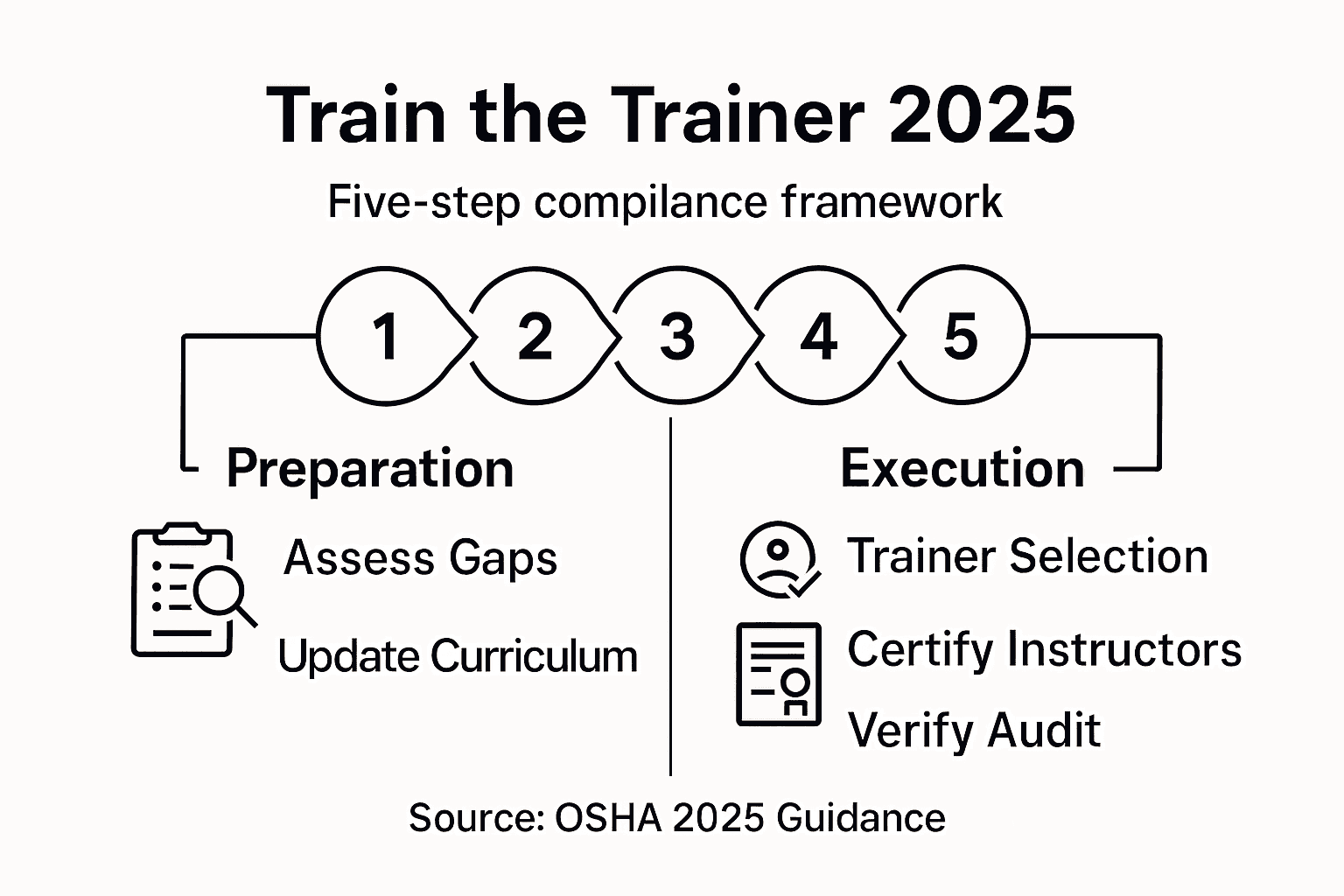
| 1. Identify Compliance Gaps Early | Proactively assess current training programs against OSHA standards to reveal and address potential compliance issues before they escalate. |
| 2. Update Curriculum for 2025 Standards | Revise training materials to incorporate the latest OSHA requirements, focusing on real-world application and practical guidance for forklift operators. |
| 3. Choose Qualified Trainers | Select trainers with extensive safety experience and effective communication skills to ensure thorough understanding of safety standards among employees. |
| 4. Conduct Engaging Certification Sessions | Design courses that incorporate interactive learning and practical assessments to create knowledgeable and confident forklift safety instructors. |
| 5. Maintain Robust Compliance Documentation | Implement a systematic documentation process that tracks safety measures and updates, ensuring preparedness for OSHA inspections and audits. |
Successfully implementing Train the Trainer Requirements for 2025 starts with a comprehensive evaluation of your existing forklift training program. Your goal is to proactively identify and address potential compliance gaps before they become costly problems.
To conduct a thorough assessment, begin by systematically reviewing your current training materials against the latest OSHA safety standards. This process involves several key steps:
Specifically, focus on critical areas of potential non-compliance such as:
Comprehensive gap analysis is not just about meeting regulations – it’s about creating a safer workplace for your team.
Documentation will be crucial during this process. Maintain detailed records of your current training program, noting exactly where updates are needed. This approach transforms compliance from a checkbox exercise into a strategic safety improvement initiative.
Here’s a summary of common compliance gaps and their potential impact on forklift safety:
| Compliance Gap Area | Risk if Not Addressed | Business Impact |
|---|---|---|
| Ergonomic assessments | Increased injury risk | Higher workers’ comp claims |
| Updated data sheets | Hazard miscommunication | OSHA citation risk |
| Violence prevention | Unsafe environment | Liability exposure |
| Electronic reporting | Delayed incident reporting | Fines for late submissions |
| Labeling requirements | Confusing hazard identification | Regulatory penalties |
Pro tip: Conduct a mock OSHA audit before the official review to identify and resolve potential compliance issues proactively.
Successfully updating your forklift training curriculum requires a strategic approach to integrating the latest OSHA safety standards for 2025. Your goal is to transform existing training materials into comprehensive, compliant resources that address emerging workplace safety requirements.
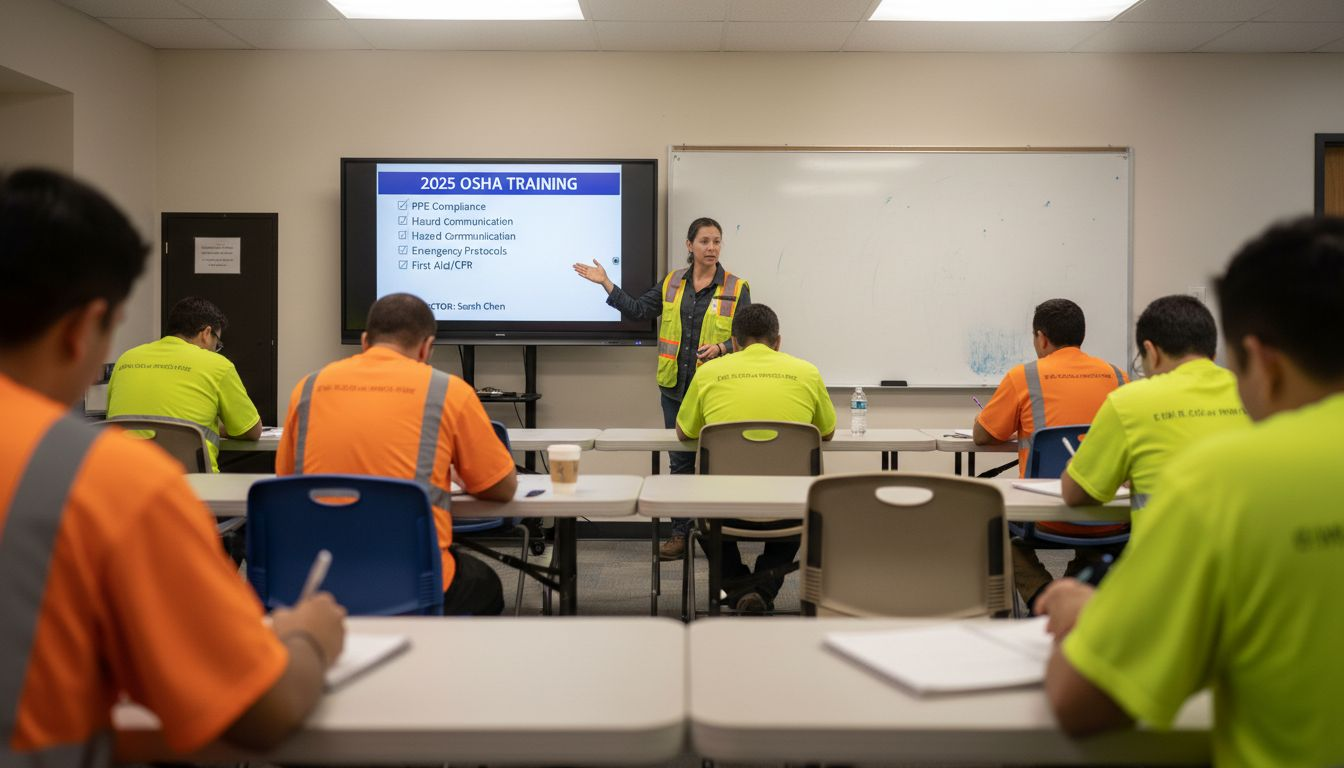
Start by systematically reviewing and revising your current curriculum to incorporate the critical updates mandated by OSHA. Focus on these key areas of modification:
Specifically, your curriculum update should include:
Curriculum updates are not just about compliance – they’re about creating a safer, more informed workforce.
Ensure that your training materials provide practical, actionable guidance that goes beyond mere regulatory checkbox exercises. Integrate real-world scenarios, interactive learning components, and clear explanations of how these new standards directly impact forklift operators and workplace safety.
This table compares traditional and updated forklift safety training components:
| Training Component | Traditional Approach | 2025 Updated Approach |
|---|---|---|
| Hazard Communication | Basic info sheets | Interactive protocols |
| Ergonomics | General awareness | Tailored risk assessments |
| PPE Guidance | Standard checklists | Scenario-based instructions |
| Violence Prevention | Limited discussion | Dedicated training modules |
| Heat Hazard Management | Not addressed | Specific prevention guidance |
Pro tip: Involve experienced forklift operators in curriculum review to ensure practical relevance and real-world applicability of new training materials.
Selecting the right trainers is critical for implementing effective forklift safety programs that meet OSHA trainer authorization requirements. Your goal is to identify and qualify professionals who can effectively communicate complex safety standards and ensure workplace compliance.
To qualify prospective trainers, you’ll need to evaluate their professional background and technical expertise through a comprehensive assessment process:
The qualification process involves several key steps:
A qualified trainer transforms safety regulations from paperwork into practical, life-saving knowledge.
Ensure that your selected trainers not only meet technical requirements but also demonstrate a genuine commitment to workplace safety. Look for candidates who can translate regulatory language into actionable guidance that resonates with forklift operators.
Pro tip: Create a structured interview process that includes both technical assessments and practical scenario evaluations to identify truly exceptional safety trainers.
Designing and executing effective certification sessions requires a strategic approach to OSHA trainer course requirements. Your goal is to transform experienced safety professionals into exceptional forklift safety instructors who can communicate complex regulatory standards with clarity and precision.
Your certification session should incorporate multiple comprehensive learning components:
The core delivery process includes these critical elements:
Certification is not just about passing a test – it’s about building confident, competent safety leaders.
Ensure your training sessions go beyond theoretical knowledge by integrating real-world forklift safety scenarios. Focus on developing instructors who can translate complex regulatory language into actionable workplace safety practices.
Pro tip: Incorporate video-based case studies and interactive simulations to enhance instructor engagement and practical understanding during certification sessions.
Navigating the complex landscape of workplace safety documentation requires a systematic approach to OSHA compliance standards. Your goal is to create an ironclad verification process that demonstrates your commitment to safety and regulatory adherence.
The comprehensive audit verification process involves several critical components:
Key steps for effective compliance documentation include:
Effective documentation is your first line of defense during an OSHA inspection.
Ensure your documentation goes beyond simple record-keeping. Develop a system that tells a comprehensive story of your ongoing commitment to workplace safety, demonstrating proactive management and continuous improvement.
Pro tip: Implement a digital documentation system that allows real-time tracking and instant retrieval of safety audit information, reducing potential compliance gaps.
The challenge of implementing rigorous Train the Trainer Requirements for 2025 is real. Gaps in compliance, updating curricula, and selecting qualified trainers demand a strategic approach to keep your forklift operation safe and OSHA compliant. If you want to turn complex regulations into clear, actionable training your team can trust, professional guidance is essential.
Partner with Forkliftacademy.com, a trusted leader in delivering OSHA-compliant forklift certification programs across the United States and Canada. Whether you need tailored Forklift Certification Archives – Top Osha Forklift Certification courses or comprehensive train-the-trainer kits, we provide everything to help you update training materials, certify instructors, and document compliance seamlessly.
Take control of your workplace safety today by visiting Forkliftacademy.com. Explore our expert resources and training solutions designed to help you navigate the 2025 standards effectively. Don’t wait until a costly audit – prepare your trainers and protect your team now. Learn more in our Career Archives – Top Osha Forklift Certification section and start leading with confidence.
To assess your current program, begin by reviewing all existing training documentation against the latest OSHA safety standards. Identify specific areas needing updates and maintain detailed records of your findings to address compliance gaps effectively.
When updating your curriculum, focus on integrating ergonomic risk assessment techniques, enhanced hazard communication protocols, workplace violence prevention strategies, and revised personal protective equipment (PPE) requirements. Update these components to reflect practical applications that engage forklift operators effectively.
Look for trainers with a minimum of five years of relevant safety experience, industry-specific safety certifications, and strong communication skills. Thoroughly assess their background to ensure they can effectively teach complex safety standards and engage the trainees.
Your certification sessions should include interactive presentations, practical demonstrations, and assessments of knowledge. Incorporate hands-on experiences to ensure trainers are not only knowledgeable but also capable of communicating safety standards clearly and effectively.
To document compliance, establish a centralized documentation system, create detailed audit checklists, and conduct regular internal safety inspections. Ensure you track all compliance-related activities and keep a comprehensive record to support your commitment to workplace safety.
Conduct a thorough audit of your existing training materials, comparing them against the most recent OSHA safety standards. Perform this audit regularly, ideally every six months, to stay ahead of potential compliance issues and continuously improve workplace safety.




 Optimized by Seraphinite Accelerator