
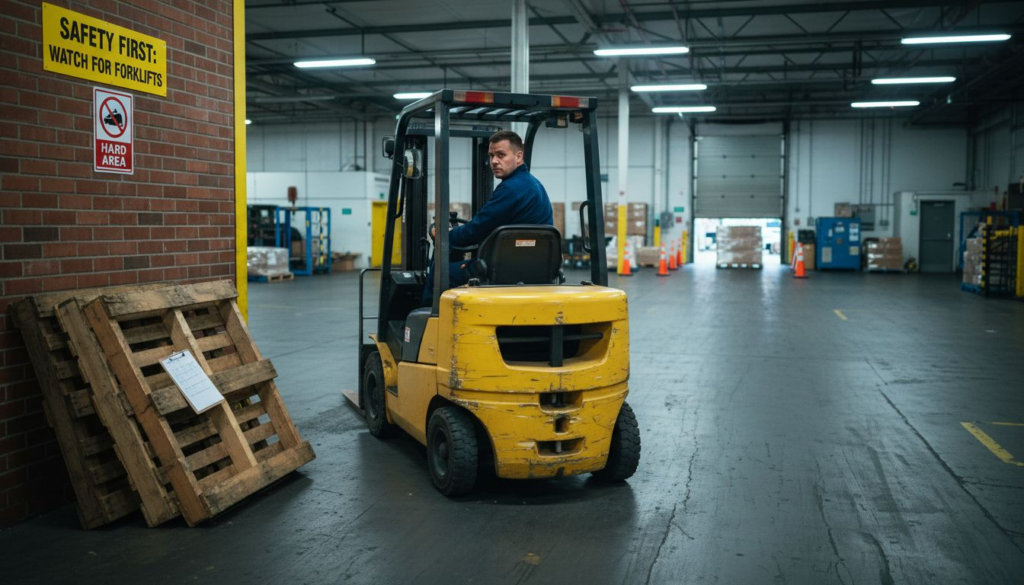

Nearly one in ten American workplace injuries involves a forklift, making effective safety training a priority for every manager. With strict OSHA regulations and the constant pressure to maintain operational efficiency, finding reliable safety solutions is more than a compliance issue. This guide highlights proven approaches and practical strategies that help American warehouse managers create safer environments while meeting critical legal standards.
| Point | Details |
|---|---|
| Comprehensive Safety Training | Forklift safety training must encompass both theoretical and practical elements to ensure operators can navigate industrial environments safely. |
| OSHA Compliance | Adherence to OSHA regulations is essential for legal compliance and minimizing workplace accidents through structured training protocols. |
| Diverse Training Programs | Forklift training should include various formats such as classroom instruction, hands-on practice, and online modules to suit different learning needs. |
| Managerial Responsibilities | Managers must actively implement safety protocols, conduct risk assessments, and maintain accurate training documentation to ensure ongoing compliance and safety. |
Safety training for forklift operations represents a comprehensive approach to preventing workplace accidents and ensuring operational competence. At its core, safety training encompasses a structured educational program designed to equip operators with the critical knowledge and skills needed to safely navigate industrial environments. The OSHA Powered Industrial Trucks standard mandates that employers provide thorough training to minimize risks associated with powered industrial truck operations.
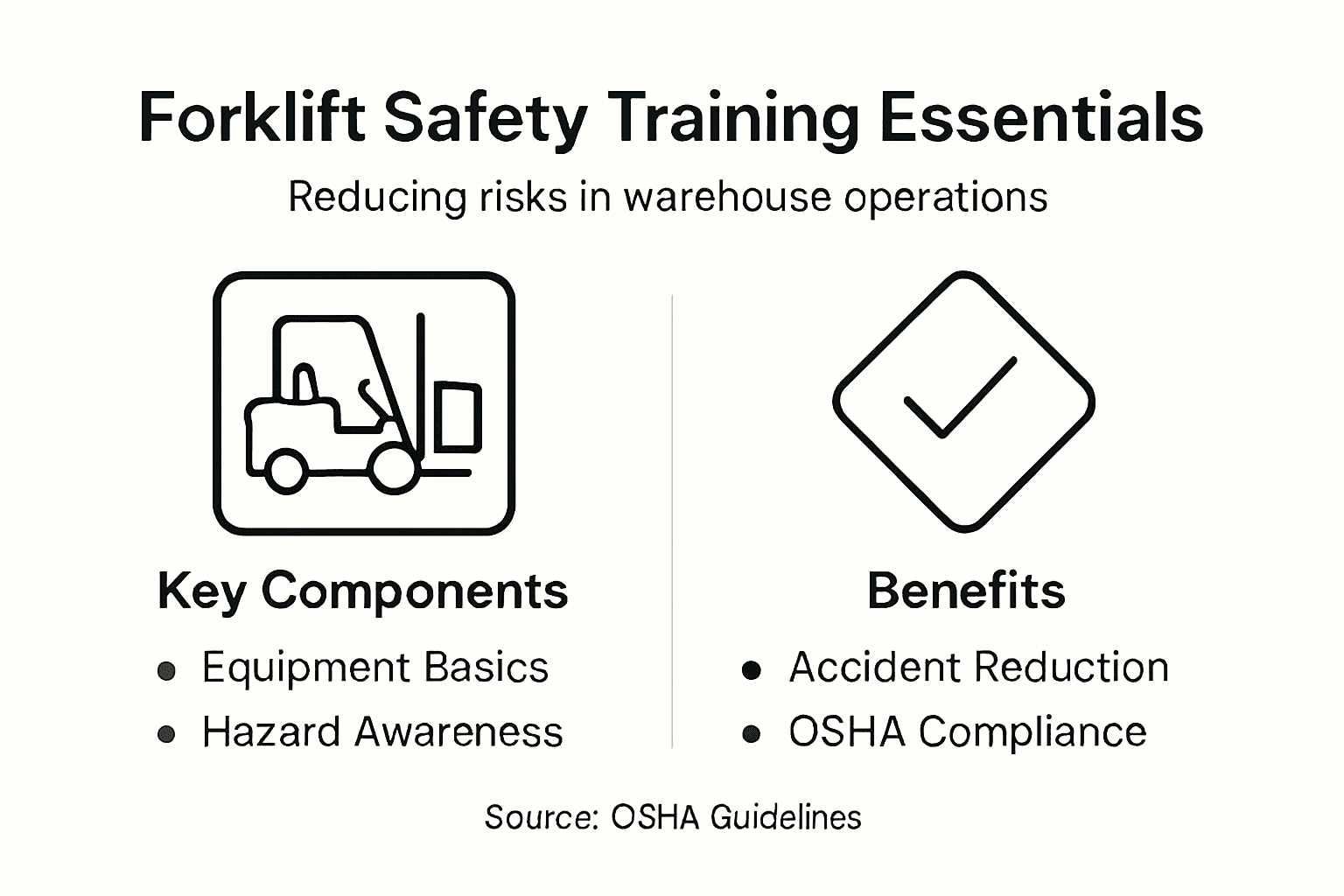
A comprehensive forklift safety training program typically includes multiple critical components. These elements cover fundamental operational skills, equipment understanding, hazard recognition, and practical risk management techniques. Operators learn about vehicle controls, load handling procedures, workplace navigation strategies, and specific environmental considerations that impact safe operation. The training goes beyond basic vehicle manipulation, focusing on developing a holistic understanding of potential workplace dangers and proactive safety strategies.
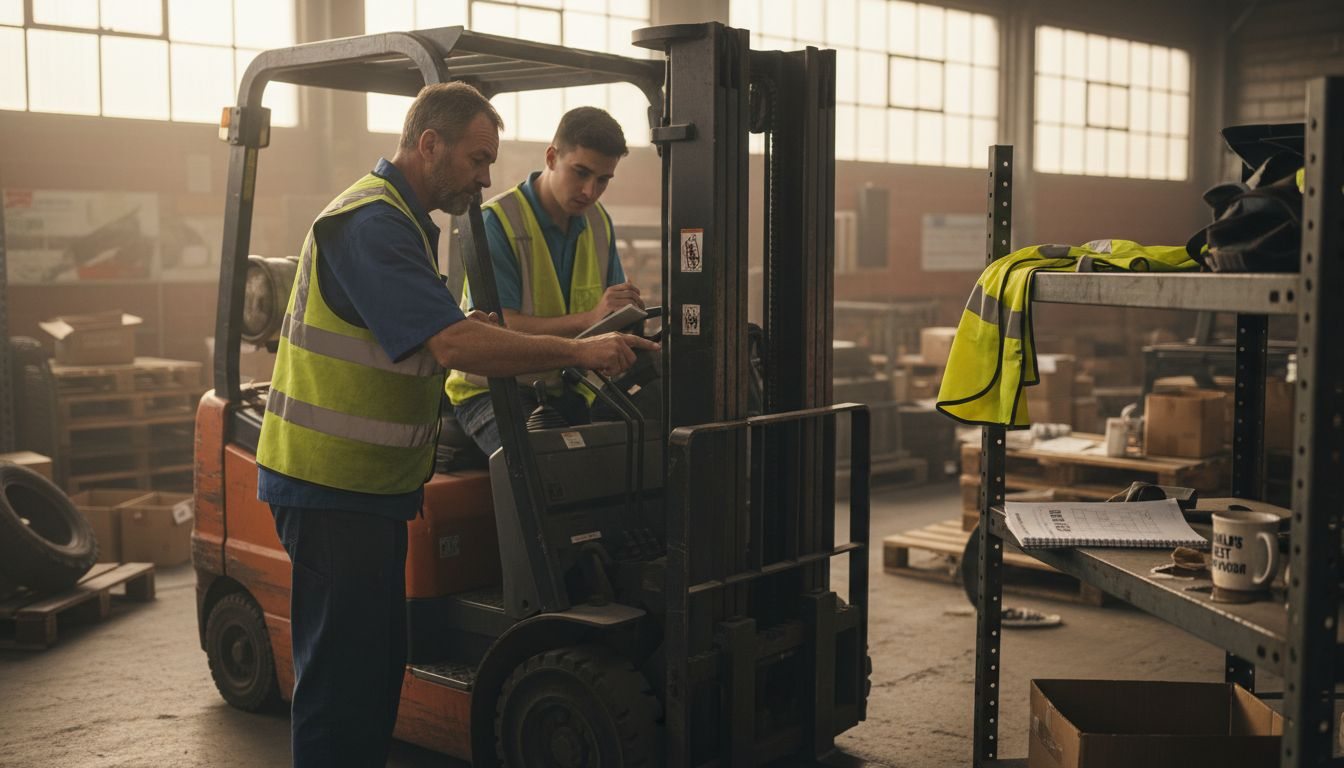
Effective safety training involves both theoretical instruction and practical skill demonstration. Employers must ensure operators can demonstrate competence through written evaluations and hands-on performance assessments. This approach requires operators to prove they can safely inspect equipment, understand operational limitations, recognize potential hazards, and execute precise maneuvers in complex workplace scenarios. Certification typically involves comprehensive testing that validates an operator’s ability to apply safety principles in real-world industrial settings.
Pro tip: Schedule periodic refresher training every three years or immediately after an operator demonstrates unsafe behavior to maintain ongoing skill development and reinforce critical safety protocols.
Forklift training programs vary widely to accommodate different organizational needs and individual learning requirements. The primary categories include initial certification, recertification, and specialized training designed to address specific workplace environments. Train-the-trainer certification represents a critical component that enables organizations to develop internal safety training capabilities, empowering companies to create customized training solutions tailored to their unique operational contexts.
Typical forklift training programs encompass several key delivery methods. Classroom-based instruction provides foundational knowledge about safety regulations, equipment mechanics, and operational protocols. Practical hands-on training allows operators to develop critical skills through supervised equipment manipulation and real-world scenario simulations. Online training modules offer flexible learning options for organizations with distributed workforce or limited training resources, enabling operators to complete theoretical components at their own pace while still requiring in-person practical assessments.
Here’s a comparison of forklift training delivery methods and their key advantages:
| Training Method | Key Advantages | Ideal Use Case |
|---|---|---|
| Classroom-Based | Structured learning, interactive | New operators, regulatory topics |
| Hands-On Practical | Skill demonstration, real-world | Skill building, complex maneuver training |
| Online Modules | Flexible, self-paced | Distributed teams, theoretical prerequisites |
Comprehensive forklift training programs typically include multiple essential components. These generally cover equipment inspection procedures, load handling techniques, workplace hazard recognition, operational limitations, and emergency response protocols. Specialized 8-hour operator courses provide structured learning experiences that meet OSHA mandates, combining theoretical instruction with practical skill demonstrations. Advanced programs may also incorporate additional specialized training for unique industrial environments such as warehouses, construction sites, or manufacturing facilities.
Pro tip: Develop a comprehensive training tracking system that monitors individual operator certifications, schedules periodic refresher courses, and ensures consistent compliance with evolving safety standards.
OSHA regulations establish comprehensive requirements for forklift operator safety and certification, creating a critical framework for workplace protection. Powered industrial truck regulations mandate detailed training protocols that employers must follow to ensure operator competence and minimize workplace accidents. These standards specify precise requirements for operator education, evaluation, and ongoing skill assessment across various industrial environments.
The certification process involves multiple essential components designed to comprehensively assess an operator’s capabilities. Employers must develop training programs that cover operating instructions, safety rules, equipment maintenance procedures, and workplace-specific hazard recognition. Certification requires both theoretical knowledge and practical skill demonstrations, ensuring operators understand not just how to operate equipment, but how to do so safely in complex industrial settings. Written evaluations and hands-on performance assessments validate an operator’s ability to apply safety principles effectively.
Key OSHA regulations focus on preventing common forklift-related accidents through structured training and compliance requirements. Forklift safety rules emphasize daily equipment inspections, proper use of safety guards, and adherence to operational best practices. Employers must maintain detailed documentation of training, including individual operator certifications, periodic refresher course completions, and performance evaluations. These regulations create a systematic approach to reducing workplace injuries and promoting a culture of safety awareness among industrial equipment operators.
Pro tip: Create a centralized tracking system that monitors individual operator certifications, automatically schedules recertification, and ensures continuous compliance with evolving safety standards.
Forklift operations present significant risks in warehouse environments, making comprehensive safety training crucial for preventing workplace accidents. Safety management systems demonstrate measurable improvements in operational efficiency and worker protection by systematically addressing potential hazards and implementing rigorous training protocols. These systems go beyond basic compliance, creating a proactive approach to identifying and mitigating potential safety risks before they result in injuries.
Statistical evidence consistently highlights the tangible benefits of structured safety training. OSHA research indicates that comprehensive training programs can dramatically reduce forklift-related incidents, with some warehouses experiencing up to 70% reduction in accident rates after implementing robust safety education. Effective training encompasses more than technical skills, focusing on developing a safety-conscious mindset that encourages operators to consistently assess and respond to potential workplace dangers.
The real-world impact of safety training extends far beyond immediate accident prevention. Forklift safety documentation reveals that well-trained operators contribute to broader organizational benefits, including reduced insurance costs, decreased equipment damage, and improved overall workplace productivity. By investing in comprehensive training, organizations create a culture of safety that protects workers, minimizes operational disruptions, and demonstrates a commitment to employee well-being.
Pro tip: Conduct quarterly safety audits that combine practical skill assessments with scenario-based training to continuously reinforce and update operator safety knowledge.
Forklift safety training requires precision and comprehensive approach to effectively mitigate workplace risks. Safety training pitfalls can significantly undermine an organization’s ability to protect workers and prevent accidents. Generic, one-size-fits-all training programs fail to address the nuanced challenges of specific workplace environments, leaving operators vulnerable to potential hazards and misunderstandings about proper equipment operation.
Common mistakes in safety training often stem from inadequate instructional design and assessment methods. Organizations frequently overlook the importance of site-specific training that accounts for unique workplace conditions, equipment variations, and potential environmental challenges. Insufficient hands-on practice, neglecting comprehensive hazard recognition techniques, and failing to conduct thorough competence evaluations create significant gaps in operator preparedness. Effective training must move beyond theoretical instruction to provide realistic scenario-based learning that tests an operator’s ability to make critical safety decisions.
Documentation and ongoing education represent critical components often overlooked in forklift safety training programs. Operator certification records must be meticulously maintained, with clear mechanisms for tracking individual operator skills, refresher training requirements, and performance assessments. Many organizations inadvertently create safety risks by allowing certifications to lapse or failing to implement regular skill reassessments that challenge operators to demonstrate continued competence and awareness of evolving safety protocols.
Pro tip: Implement a dynamic training tracking system that automatically schedules recertification, generates performance reports, and flags potential skill gaps before they become safety risks.
Managers bear significant legal and operational responsibilities for ensuring forklift safety within their workplace environments. OSHA regulations establish clear legal frameworks that define precise expectations for preventing workplace accidents and maintaining comprehensive training standards. These regulations transform manager oversight from a recommended practice to a mandatory legal requirement, with potential financial and legal consequences for non-compliance.
The scope of managerial responsibilities extends far beyond simple documentation and training verification. Managers must actively develop and implement robust safety protocols that address specific workplace conditions, equipment variations, and potential operational risks. This involves conducting thorough risk assessments, maintaining detailed training records, ensuring regular equipment inspections, and creating a culture of safety awareness that permeates every level of the organization. Failure to demonstrate proactive safety management can result in significant legal vulnerabilities, including potential litigation, regulatory fines, and increased workers’ compensation costs.
The table below summarizes the main legal responsibilities managers face for forklift safety:
| Responsibility | Manager Action | Business Impact |
|---|---|---|
| Regulatory Compliance | Track and verify certifications | Prevent fines, improve safety |
| Risk Assessment | Conduct regular safety audits | Reduce accidents, lower costs |
| Documentation Management | Maintain training records | Provide legal defense, minimize risk |
| Continuous Improvement | Update safety protocols | Enhance efficiency, boost morale |
International workplace safety standards emphasize the critical importance of comprehensive legal compliance and risk management. Managers must not only implement training programs but also continuously evaluate and update safety protocols, track individual operator performance, and maintain meticulous documentation that demonstrates ongoing commitment to workplace safety. This requires a systematic approach that integrates training, assessment, and continuous improvement into the organization’s operational framework.
Pro tip: Develop a comprehensive digital tracking system that documents every aspect of forklift safety training, including individual certifications, performance assessments, and recurring training requirements.
The article underscores the critical challenge of reducing forklift risks through comprehensive safety training. Many workplaces struggle with ensuring operators receive OSHA-compliant education that covers hazard recognition, skill demonstration, and ongoing certification. These pain points highlight the need to move beyond generic programs to tailored, practical training that builds a safety-conscious culture and mitigates legal liabilities.
At Forkliftacademy.com, we understand how vital it is to equip your team with the right knowledge and skills to prevent accidents and enhance operational safety. Our offerings include OSHA-compliant certification programs available both online and onsite, designed to address real-world challenges faced by operators across industries. Whether you are looking for individual certification or a comprehensive business solution such as train-the-trainer kits, our resources support your commitment to workplace safety and regulatory compliance.
Explore our extensive Forklift Safety Archives to grasp how proper training impacts risk reduction. Take control of your team’s safety by enrolling today at Forkliftacademy.com. Start building a stronger safety culture now and ensure every operator is prepared to work confidently and compliantly.
Forklift safety training is essential for preventing workplace accidents, ensuring operators are competent, and complying with OSHA regulations. It equips operators with the knowledge and skills needed to navigate their work environment safely.
Forklift operators should undergo refresher training every three years or immediately if they demonstrate unsafe behavior to ensure ongoing skill development and adherence to safety protocols.
A comprehensive forklift training program typically includes classroom instruction on safety regulations, practical hands-on training for skill development, equipment inspection procedures, load handling techniques, and emergency response protocols.
OSHA regulations require employers to provide specific training for forklift operators, covering operating instructions, safety rules, maintenance procedures, and hazard recognition to minimize risks and ensure operator competence.