
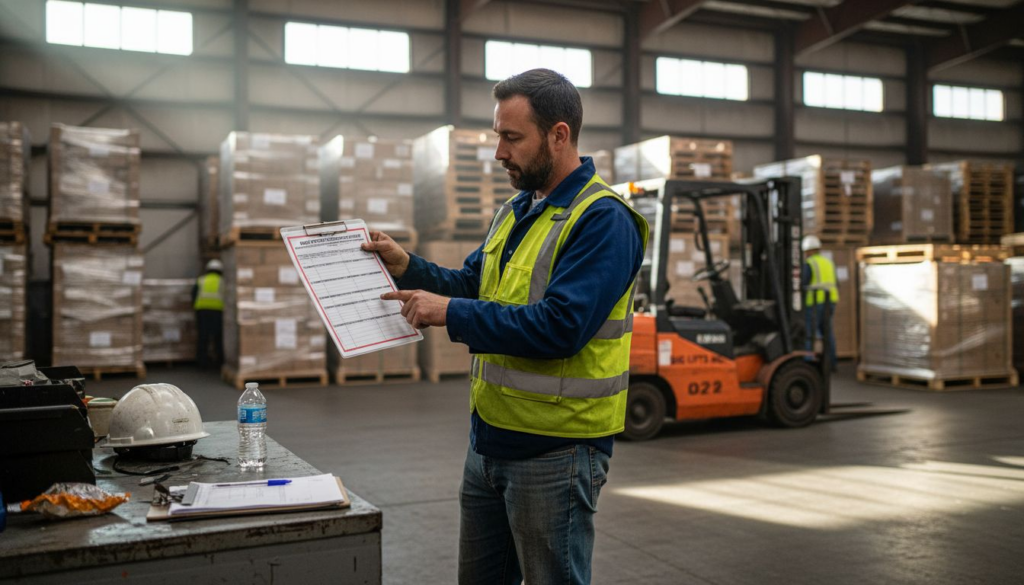

Forklift accidents account for over 7,000 serious injuries across American warehouses every year, impacting both safety and productivity. For warehouse and logistics managers in North America, up-to-date OSHA-certified forklift operator training is more than just a regulatory requirement—it is a business necessity. This guide lays out practical, step-by-step solutions to help you confidently navigate 2025’s compliance landscape, minimize risk, and safeguard everyone on your team.
| Key Insight | Explanation |
|---|---|
| 1. Evaluate OSHA Requirements Thoroughly | Conduct a detailed assessment of your forklift operations to identify specific training needs and hazards. |
| 2. Choose Customized Certification Programs | Select training programs that cater to your specific workplace environment and equipment for better effectiveness. |
| 3. Implement Comprehensive Training Procedures | Develop structured training that includes classroom instruction alongside practical hands-on exercises and evaluations. |
| 4. Maintain Regular Skill Verification | Ensure operators are periodically evaluated every three years to confirm ongoing compliance and safety competency. |
| 5. Establish Ongoing Compliance Systems | Create compliance tracking systems to routinely update training materials and monitor certification statuses effectively. |
When it comes to forklift certification, understanding your workforce’s specific OSHA training requirements is the foundation of workplace safety. Employers must develop comprehensive training programs that not only meet legal standards but protect workers from potential hazards.
The first step involves carefully evaluating your workplace’s powered industrial truck operations through OSHA training compliance guidelines. This means conducting a thorough assessment of the types of forklifts used, specific workplace environments, and the unique hazards your operators might encounter. OSHA mandates that training must be delivered in a language employees comprehend, ensuring they can effectively recognize and mitigate potential risks. Your assessment should include a detailed inventory of equipment types, operational contexts, and the specific skills required for safe operation.
Effective training requires more than just classroom instruction. Employers must develop programs that combine formal classroom learning with practical hands on exercises, evaluating operator performance at least every three years. This comprehensive approach ensures that operators maintain their skills and stay current with safety protocols.
Pro tip: Create a standardized assessment checklist that covers equipment types, workplace conditions, and individual operator skill levels to streamline your OSHA training requirement evaluation process.
Here’s a summary of key factors to assess during your OSHA forklift training evaluation:
| Assessment Area | Why It’s Important | Business Impact |
|---|---|---|
| Equipment Inventory | Identifies types of forklifts needed | Enables tailored training |
| Workplace Environment | Highlights specific hazards present | Improves operator safety |
| Operator Skill Levels | Determines proficiency gaps | Reduces accident risk |
| Language Comprehension | Ensures training effectiveness | Boosts compliance and clarity |

Selecting the appropriate forklift certification program is a critical decision that directly impacts workplace safety and regulatory compliance. Your goal is to find a comprehensive training solution that meets OSHA standards and prepares operators for real world challenges.
When evaluating certification programs, focus on those that provide comprehensive training for powered industrial trucks. The most effective programs combine rigorous theoretical instruction with hands on practical training, addressing specific workplace environments and equipment types. Look for certification courses that cover essential elements such as vehicle operation techniques, workplace hazard recognition, equipment inspection protocols, and detailed understanding of OSHA regulations specific to powered industrial trucks.
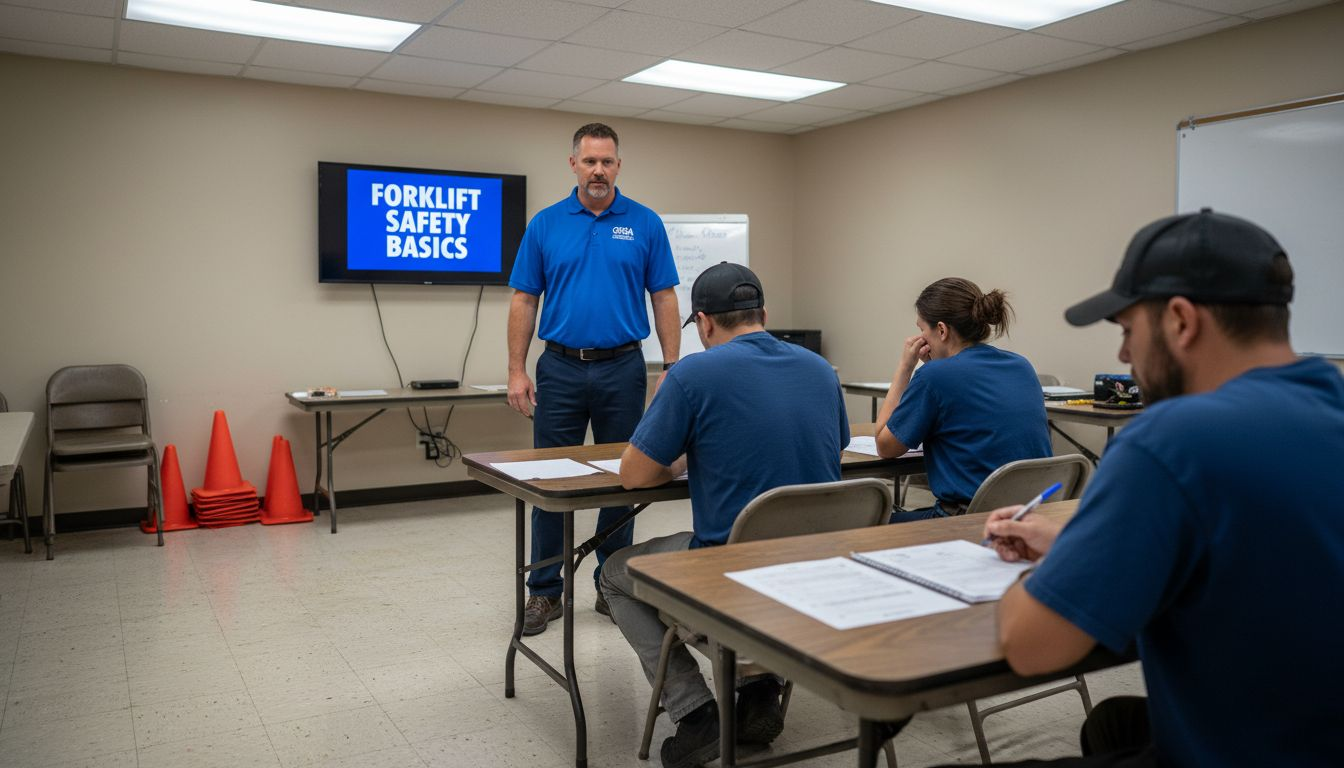
A quality certification program should offer more than just a generic training approach. Employer training requirements mandate that training must be tailored to your specific industry, equipment types, and operational contexts. This means seeking out programs that provide customized training modules, experienced instructors with industry knowledge, and comprehensive evaluation processes that assess operator competency through both written and practical assessments.
Pro tip: Request sample training materials and verify the certification program’s OSHA compliance credentials before making a final selection to ensure you receive high quality, legally compliant training.
Successful implementation of OSHA-compliant training requires a strategic approach that goes beyond basic instruction. Your goal is to create a comprehensive training program that ensures operator safety and meets all regulatory requirements for powered industrial trucks.
Begin by developing a structured training program for powered industrial trucks that combines formal classroom instruction with hands on practical training. This approach should include detailed lectures covering vehicle operation, workplace hazards, and specific safety protocols. Ensure your training modules address critical elements such as equipment inspection, operational techniques, workplace specific risk assessments, and comprehensive understanding of OSHA standards.
Your training implementation must include rigorous performance evaluations that go beyond theoretical knowledge. Compliance assistance guidelines mandate that operators demonstrate practical competency through comprehensive assessments. This means creating evaluation processes that test both written knowledge and actual operational skills under various workplace conditions. Develop a systematic approach to documenting operator performance, tracking progress, and ensuring continuous improvement in safety practices.
Pro tip: Create a standardized training documentation system that tracks each operator’s progress, certification status, and periodic recertification requirements to maintain ongoing OSHA compliance.
Ensuring your forklift operators are fully qualified requires a systematic approach to skill verification and documentation. Your primary objective is to confirm that each operator meets OSHA safety standards and demonstrates competent equipment handling.
Begin by implementing comprehensive operator performance evaluations that go beyond basic training assessments. These evaluations should include both written examinations and practical skills tests that comprehensively assess the operator’s ability to safely navigate workplace environments. Documentation is critical the evaluation must include specific details such as the operator’s name, training dates, evaluation results, and the certified trainer’s credentials.
OSHA mandates ongoing skill verification to maintain workplace safety. Powered industrial truck training guidelines require employers to conduct performance evaluations initially, then at minimum every three years. This process involves observing operators in actual working conditions, assessing their technical skills, understanding of safety protocols, and ability to handle equipment efficiently. Create a tracking system that monitors certification expiration dates and schedules regular recertification assessments to ensure continuous compliance.
Pro tip: Develop a digital tracking system that automatically alerts you 60 days before an operator’s certification expires, allowing ample time for scheduling recertification training.
Maintaining OSHA compliance is a dynamic process that requires continuous attention and proactive management. Your objective is to create a sustainable safety framework that adapts to changing workplace conditions and regulatory requirements.
Start by establishing a comprehensive compliance tracking system for training requirements. This involves regularly updating your training materials, monitoring certification statuses, and implementing immediate refresher training when workplace conditions change or after any safety incidents. Key focus areas include tracking equipment modifications, reviewing operator performance, and ensuring all documentation remains current and accessible.
Stay informed about the latest OSHA guidelines and industry best practices. OSHA training resources provide ongoing support and educational materials that can help you maintain a robust safety program. Develop a routine of periodic internal audits, where you systematically review training records, evaluate operator skills, and identify potential areas for improvement. This proactive approach not only ensures compliance but demonstrates a genuine commitment to workplace safety and employee well being.
Pro tip: Create an annual compliance calendar that schedules training updates, certification renewals, and internal safety reviews to prevent any gaps in your OSHA compliance efforts.
This table compares two common approaches to ongoing OSHA compliance maintenance:
| Method | Pros | Cons |
|---|---|---|
| Manual Tracking | Low initial cost, simple setup | Prone to errors, time-consuming |
| Digital Compliance Management | Automated alerts, easy reporting | Requires investment, training |
Navigating OSHA training requirements and ensuring forklift operator certification can feel overwhelming. This article highlights key challenges such as assessing specific training needs, verifying operator skills, and maintaining ongoing compliance. If you want to reduce accident risks and ensure your workforce meets all OSHA standards, the right training program tailored to your workplace is essential. Forkliftacademy.com offers comprehensive, OSHA-compliant certification and training options designed to meet these exact needs. Whether you require individualized courses or full business training solutions, our programs combine expert instruction, practical hands-on learning, and streamlined compliance tracking.
Explore reliable resources and proven safety strategies in our Forklift Safety Archives to deepen your knowledge. Ready to take the next step toward safer operations and guaranteed certification success Visit https://forkliftacademy.com today to find the program that fits your team’s needs. For career-focused training opportunities, check our Career Archives and empower your workforce now.
To meet OSHA training requirements for forklift certification, employers must evaluate their specific workplace operations, including equipment types and hazards. Conduct a thorough assessment and create a training program that combines theoretical instruction with practical exercises to ensure safety and compliance.
Selecting the right forklift certification program involves looking for comprehensive training that includes both classroom instruction and hands-on practice. Verify that the program is tailored to your industry and specific equipment, allowing operators to gain relevant skills.
To implement OSHA-compliant training, develop a structured program that combines formal instruction with practical training. Include detailed lectures and rigorous performance evaluations to assess operator competency and ensure continuous improvement in safety practices.
OSHA guidelines require ongoing verification of operator skills at least every three years. Schedule performance evaluations that include both written tests and practical assessments to ensure operators remain proficient and compliant over time.
To maintain ongoing OSHA compliance, establish a tracking system for training requirements and regularly update your training materials. Create an annual compliance calendar to schedule updates, certification renewals, and internal safety reviews to ensure all documentation is current and accurate.