 Skip to content
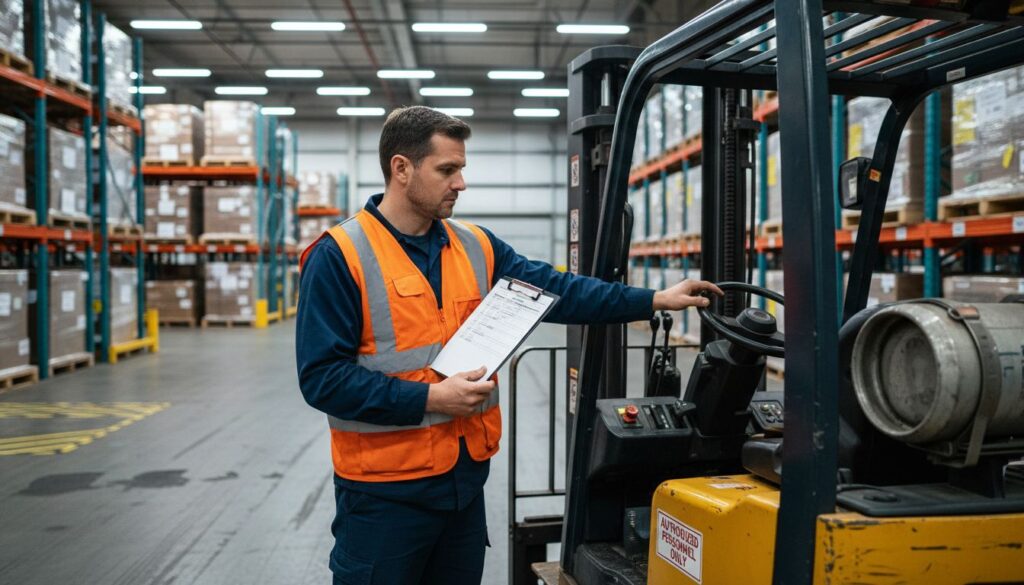

More than 34,000 serious forklift injuries happen in American workplaces every year. With so many risks surrounding powered industrial trucks, meeting OSHA standards is not just a legal headache but a real safety issue for your team. This guide walks you through the key steps every American employer needs to follow, making OSHA forklift compliance clear and helping you create a safer, more efficient work environment.
| Essential Point | Explanation |
|---|---|
| 1. Assess Workplace Hazards | Conduct a thorough evaluation of safety risks in areas where forklifts operate to ensure OSHA compliance requirements are met. |
| 2. Select Qualified Personnel | Choose forklift operators and trainers based on their skills, knowledge, and ability to communicate safety protocols effectively. |
| 3. Implement Comprehensive Training | Develop OSHA-approved training programs that include formal instruction, practical training, and site-specific assessments for operators. |
| 4. Evaluate Operator Performance | Regularly conduct hands-on evaluations of operators’ skills to validate their competency in safe forklift operation. |
| 5. Maintain Certification Standards | Ensure ongoing compliance by regularly renewing operator certifications and conducting periodic reassessments based on workplace changes. |
Assessing workplace requirements for OSHA forklift compliance involves a systematic evaluation of your specific operational environment. This crucial first step helps identify potential safety risks and ensures your organization meets federal safety regulations.
Begin by conducting a comprehensive workplace hazard assessment. Walk through your facility and document specific areas where forklifts operate, paying close attention to potential interaction points between powered industrial trucks and pedestrians, narrow corridors, storage areas, and loading zones. Workplace risk evaluations should meticulously catalog potential collision zones, surface conditions, weight handling requirements, and traffic flow patterns.
Critical areas to examine include ramp gradients, floor surface variations, overhead clearance, pedestrian walkways, and storage rack configurations. Document any unique workplace characteristics that might impact forklift operations, such as tight turning radii, blind corners, or uneven surfaces. This detailed documentation will serve as the foundation for developing targeted safety protocols and training programs specific to your workplace environment.
Identifying qualified forklift operators and trainers is a critical process that ensures workplace safety and regulatory compliance. Your goal is to select personnel who have the necessary skills, knowledge, and capabilities to operate and teach forklift operations safely.
Begin by understanding the core requirements for trainer qualifications. Trainer competency standards indicate that while specific certifications are not mandatory, trainers must demonstrate extensive knowledge and practical experience in forklift operations. Look for individuals with a proven track record of safe equipment handling, comprehensive understanding of OSHA regulations, and the ability to effectively communicate safety protocols.
When evaluating potential operators and trainers, focus on their practical skills and theoretical knowledge. Operator evaluation criteria require a comprehensive assessment that includes both formal classroom instruction and hands-on performance demonstrations. Seek candidates who can prove their competence through documented training, practical assessments, and a demonstrated commitment to workplace safety. Remember that the right trainer not only understands technical operations but can also effectively communicate risk management strategies to prevent workplace accidents.
Implementing OSHA-approved training programs requires a comprehensive approach that systematically prepares forklift operators for safe and effective workplace operations. Your primary objective is to develop a structured training curriculum that meets all federal safety regulations and addresses specific workplace challenges.
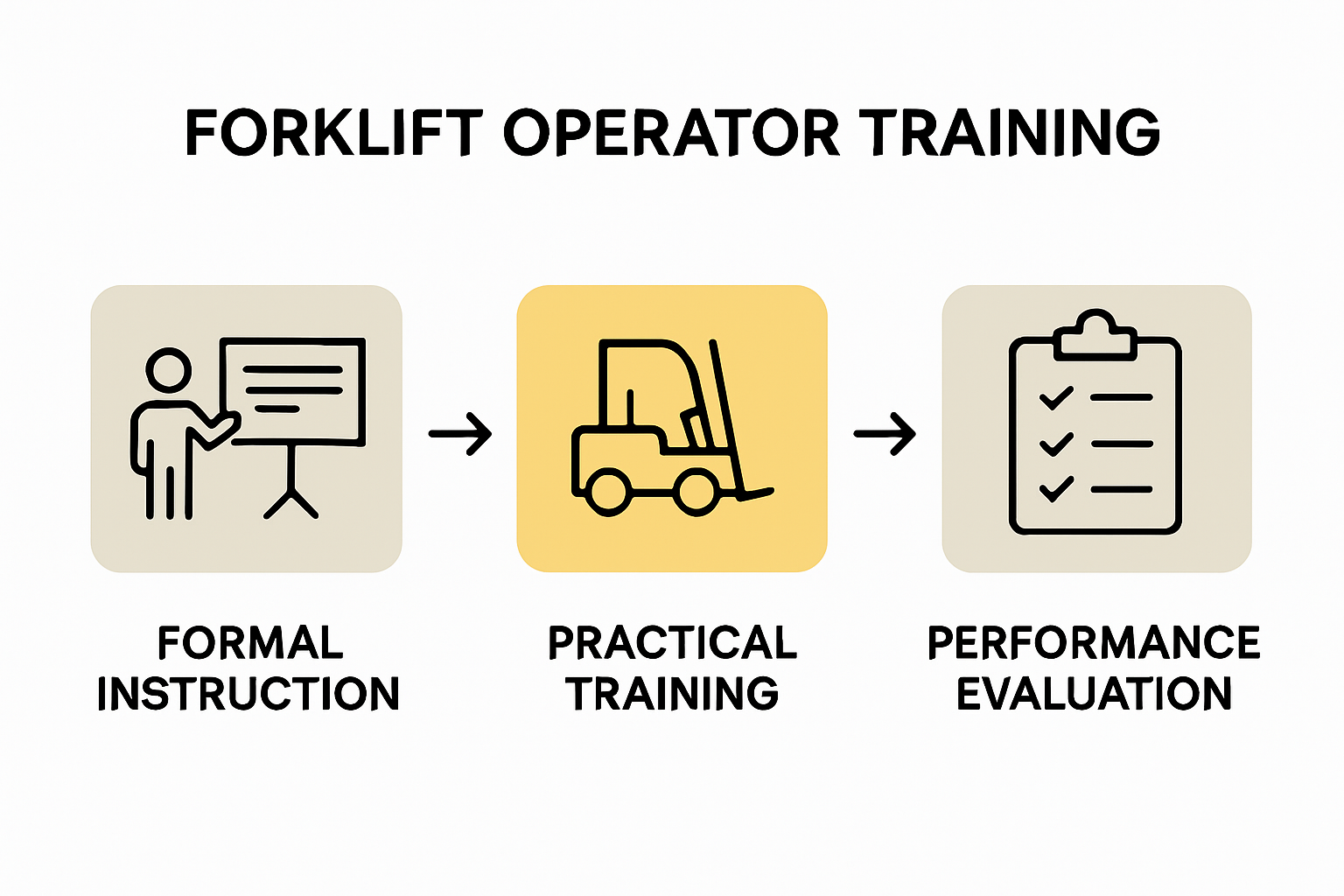
Training program development must incorporate three critical components formal instruction, practical training, and performance evaluation. Begin by designing classroom sessions that thoroughly cover theoretical aspects of forklift safety including equipment characteristics, operational principles, potential workplace hazards, and OSHA regulatory requirements. These theoretical sessions should be followed by hands-on practical training that allows operators to demonstrate their understanding through actual equipment manipulation under supervised conditions.
Ensure your training program is tailored to your specific workplace environment by incorporating site-specific risk assessments and equipment variations. Comprehensive operator training should include detailed instruction on navigating unique workplace challenges such as narrow aisles, uneven surfaces, pedestrian traffic zones, and specific loading dock configurations. By creating a nuanced training approach that goes beyond generic instruction, you will develop operators who are not just technically competent but genuinely committed to maintaining a safe working environment.
Conducting hands-on evaluations and documentation is a critical step in ensuring your forklift operators meet OSHA safety standards and demonstrate competent equipment operation. This process goes beyond simple training to validate each operator’s actual skills and readiness to work safely.
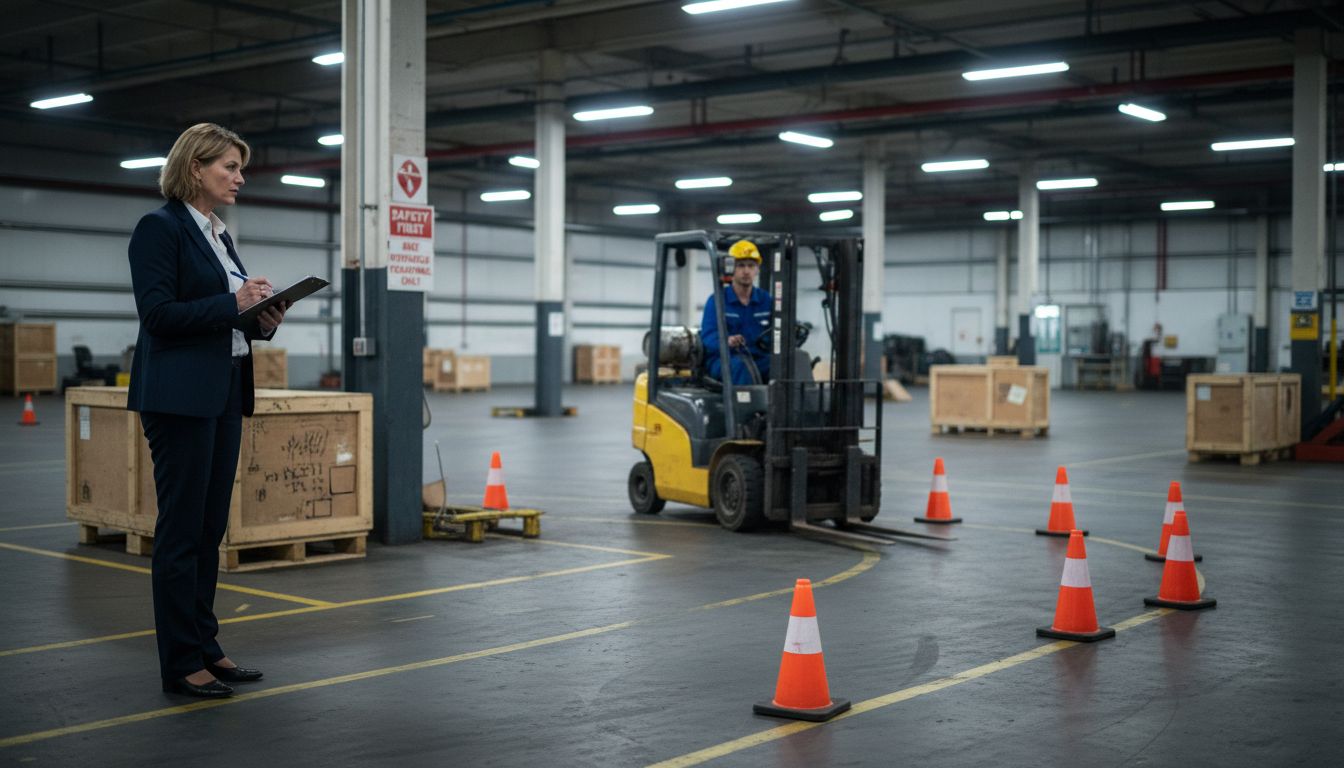
Comprehensive operator evaluations must systematically assess an operator’s performance across multiple dimensions. Design practical tests that simulate real workplace scenarios including maneuvering in tight spaces, handling different load weights, navigating potential hazard zones, and demonstrating precise control techniques. Each evaluation should include detailed documentation capturing the operator’s specific performance metrics, demonstrating their ability to execute safe operating procedures under various challenging conditions.
Periodic performance documentation is mandatory to maintain ongoing workplace safety. OSHA requires comprehensive records that track each operator’s evaluation dates, performance outcomes, and any recommended refresher training. Create a standardized evaluation form that captures critical details such as the operator’s name, specific equipment used, trainer information, performance benchmarks, and any identified areas requiring improvement. Remember that these documentation practices are not just bureaucratic requirements but essential tools for maintaining a culture of continuous safety awareness and skill development.
Verifying ongoing adherence and renewing forklift operator certifications is a critical process that ensures continuous workplace safety and regulatory compliance. Your goal is to maintain a proactive approach to operator skills assessment and certification maintenance.
Periodic operator evaluations are mandatory to confirm that forklift operators continue to meet safety standards. OSHA requires comprehensive reassessments at least every three years, with additional evaluations triggered by specific events such as workplace accidents, observed unsafe practices, or significant changes in operational environments. Develop a systematic tracking process that monitors each operator’s performance, documentation status, and certification expiration dates.
Certification renewal requirements extend beyond simple paperwork. Implement a robust review process that includes practical skills demonstrations, written assessments, and comprehensive performance reviews. Pay special attention to operators who have been involved in incidents, experienced performance lapses, or work in environments with evolving safety challenges. By maintaining rigorous certification standards, you create a culture of continuous improvement and workplace safety that protects both employees and your organization.
Forklift compliance is more than just meeting regulations. It means protecting your employees with qualified operators and thorough hands-on training that aligns with OSHA standards. This article highlights key challenges such as identifying certified trainers, documenting operator evaluations, and maintaining ongoing certification. These are critical steps that every business must master to prevent accidents and avoid costly violations.
If you want to turn these compliance hurdles into strengths Forkliftacademy.com offers expert guidance and tailored training solutions. Our programs cover comprehensive OSHA-approved forklift certification and emphasize real-world skills to keep your workplace safe. Discover how you can benefit from proven methods and streamline compliance by exploring our Forklift Safety Archives – Top Osha Forklift Certification for insights.
Take control of your workplace safety today Visit Forkliftacademy.com and access a range of certified courses, onsite training options, and evaluation services designed to meet your specific OSHA forklift compliance needs. Don’t wait until a compliance gap causes issues Act now and ensure your operators are trained, evaluated, and certified properly with our trusted programs. For more practical information and career advancement, also check out our Career Archives – Top Osha Forklift Certification and Uncategorized Archives – Top Osha Forklift Certification to stay informed and prepared.
Achieving OSHA forklift compliance involves five key steps: assessing workplace requirements, identifying qualified operators and trainers, implementing OSHA-approved training programs, conducting hands-on evaluations, and verifying ongoing adherence and certification renewals. Start by conducting a thorough hazard assessment in your workplace to identify safety risks.
Forklift operators must be evaluated at least every three years to ensure ongoing compliance with OSHA standards. Implement a systematic tracking process to schedule these evaluations and document the results, allowing for timely assessments and refresher training if needed.
A workplace hazard assessment for forklift operations should include a review of interaction points between forklifts and pedestrians, potential collision zones, surface conditions, and traffic flow patterns. Walk through your facility and document areas like loading zones and narrow corridors to identify unique risks that could impact safety.
To identify qualified trainers for forklift operations, look for candidates with extensive knowledge and practical experience in forklift handling and OSHA regulations. Evaluate their theoretical understanding and practical skills through documented training and performance assessments, ensuring they can effectively communicate safety protocols.
An OSHA-approved forklift training program should include formal instruction, practical training, and performance evaluations. Ensure your program covers equipment characteristics, potential hazards, and site-specific challenges to prepare operators properly for safe operations in your unique environment.
To maintain ongoing compliance and certification, implement a rigorous review process that includes periodic evaluations, practical skills demonstrations, and written assessments. Track each operator’s performance metrics and certification expiration to ensure they receive timely renewals and refresher training as needed.




 Optimized by Seraphinite Accelerator