
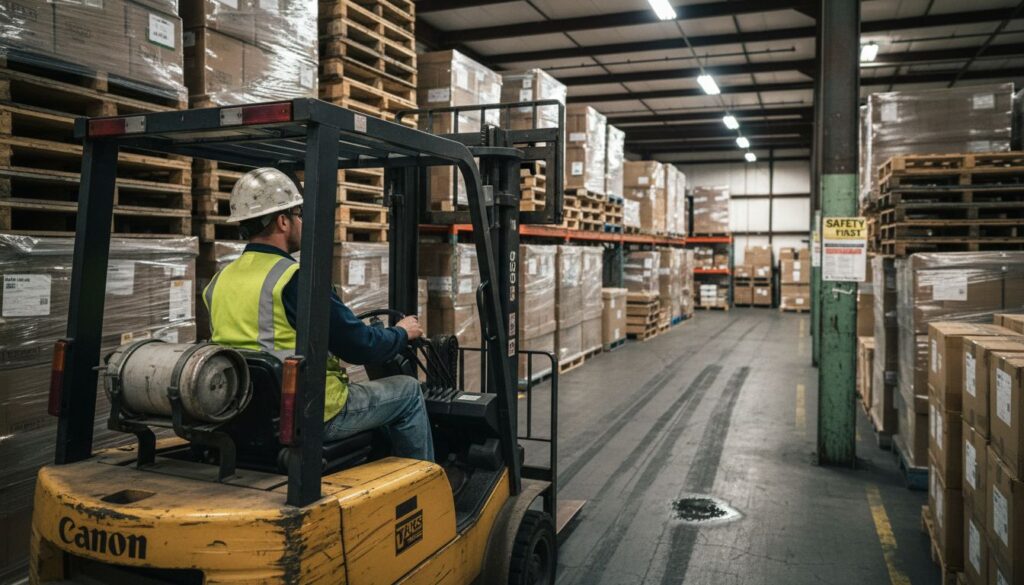

More than 20,000 serious injuries each year in American workplaces involve forklifts, making safety a top priority for businesses across the country. With so many myths and misunderstandings surrounding forklift operations, even experienced workers can find themselves at risk. Understanding what sets real forklift safety standards apart from common misconceptions is crucial for protecting employees, meeting strict regulations, and preventing costly accidents.
| Point | Details |
|---|---|
| Importance of Safety Standards | Forklift safety standards are essential for preventing workplace accidents and equipment-related injuries through rigorous training and hazard recognition. |
| Training and Certification Requirements | Operators must undergo specialized training and certification, ensuring they understand equipment capabilities and safety protocols to minimize risks. |
| Employer Accountability | Employers are responsible for maintaining comprehensive safety programs, including operator training and regular equipment inspections to mitigate legal liabilities. |
| Common Safety Violations | Key safety violations, such as overloading and inadequate training, significantly increase the risk of accidents, highlighting the need for strict adherence to safety protocols. |
Forklift safety standards represent critical guidelines designed to protect workers from potential workplace accidents and equipment-related injuries. Workplace safety regulations establish comprehensive protocols that go far beyond basic operational instructions. These standards require operators to understand complex machinery interactions, spatial awareness, and potential hazard recognition.
Contrary to popular misconception, operating a forklift is not as simple as driving a car. Operator certification demands rigorous training and comprehensive understanding of equipment capabilities and limitations. Common safety mistakes often stem from overconfidence and inadequate preparation. According to Occupational Safety and Health Administration (OSHA) guidelines, operators must complete specialized training that covers equipment-specific operation, load management, workplace navigation, and potential risk assessment.
Key myths surrounding forklift operations include dangerous assumptions like “anyone can operate a forklift” or “training isn’t really necessary.” Forklift operator safety rules definitively prove these notions false. Proper certification involves understanding weight distributions, stability principles, pedestrian awareness, and precise maneuvering techniques. Employers must recognize that untrained operators pose significant workplace risks, potentially leading to serious injuries, equipment damage, and substantial financial liabilities.
The most critical safety standards encompass several fundamental requirements:
Understanding these standards isn’t just about compliance—it’s about creating a culture of safety that protects workers and ensures operational efficiency.
Powered industrial trucks represent a critical component of workplace safety, with OSHA compliance guidelines establishing comprehensive standards for operation and equipment classification. These regulations provide a structured framework that categorizes forklifts based on their design, intended use, and specific operational characteristics, ensuring workplace safety and equipment-specific training requirements.
OSHA divides powered industrial trucks into several distinct classifications, each with unique operational specifications and safety protocols. These classifications range from electric motor narrow aisle trucks to internal combustion engine lifts with varying fuel types and performance capabilities. Forklift course guidelines emphasize that operators must receive specialized training tailored to the specific classification of equipment they will be operating, recognizing that each truck type presents unique operational challenges and safety considerations.
The primary OSHA requirements for forklift operations encompass several critical components:
Understanding these classifications is not merely a bureaucratic exercise but a fundamental aspect of workplace safety. Truck classifications directly impact training requirements, operational limitations, and potential workplace risks. Employers must ensure that operators are fully trained on the specific type of powered industrial truck they will be using, with key compliance standards serving as the foundation for creating a safe and efficient working environment.
Typical OSHA forklift classifications include:
Each classification carries specific training and operational requirements that operators must master to ensure workplace safety and regulatory compliance.
Forklift operator certification represents a comprehensive process designed to ensure workplace safety and operational proficiency. Forklift evaluation processes encompass multiple critical stages that transform novice operators into skilled professionals capable of safely navigating complex workplace environments.
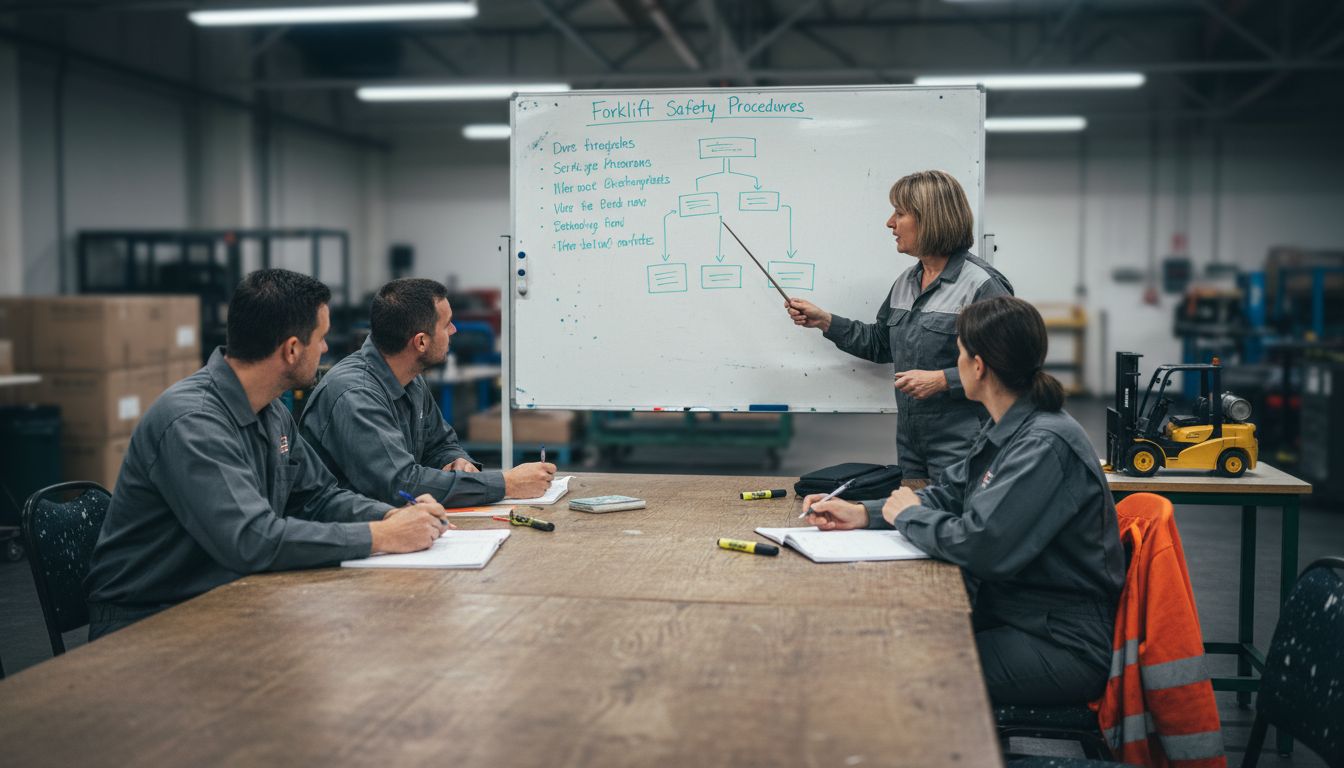
The certification journey begins with rigorous theoretical training that covers essential safety protocols, equipment mechanics, and operational guidelines. Practical evaluation forms the cornerstone of this process, requiring operators to demonstrate precise technical skills and comprehensive understanding of workplace safety standards. Recertification requirements ensure that operators maintain their skills and stay current with evolving safety regulations, typically mandating renewed certification every three years or after significant workplace incidents.
Key components of the certification process include:
The training methodology follows a structured approach that combines theoretical knowledge with hands-on experience. Operators must successfully navigate both written examinations and practical skill demonstrations, proving their ability to operate powered industrial trucks safely and efficiently. Train the trainer programs further enhance this ecosystem by creating a sustainable model of safety education and skill transfer.
Typical certification stages include:
Successful completion requires demonstrating not just technical proficiency, but a comprehensive understanding of workplace safety principles and risk mitigation strategies.
Workplace safety demands comprehensive employer accountability, with forklift operations presenting significant potential for substantial legal and financial consequences. Safety and health program guidelines establish clear expectations for organizations to proactively manage equipment operation, operator training, and risk mitigation strategies.
Employers bear critical responsibilities that extend far beyond basic operational requirements. Liability exposure encompasses multiple dimensions, including potential worker compensation claims, regulatory penalties, and potential civil litigation resulting from inadequate safety protocols. OSHA compliance strategies require employers to implement systematic approaches that address equipment maintenance, operator qualifications, and comprehensive safety documentation.
Key employer responsibilities include:
The financial implications of non-compliance can be devastating. Workplace accidents involving forklifts can result in significant monetary penalties, potential criminal charges, and irreparable damage to organizational reputation. Recertification requirements play a crucial role in maintaining ongoing safety standards and demonstrating proactive risk management.
Critical legal considerations for employers involve:
Successful risk management requires a holistic approach that integrates preventative measures, continuous education, and a demonstrable commitment to workplace safety standards.
Forklift operations present significant workplace hazards that demand meticulous attention to safety protocols. Forklift hazards represent a critical area of concern, with numerous potential risks that can lead to serious injuries and equipment damage. Understanding these common violations provides the foundation for creating a proactive safety environment.
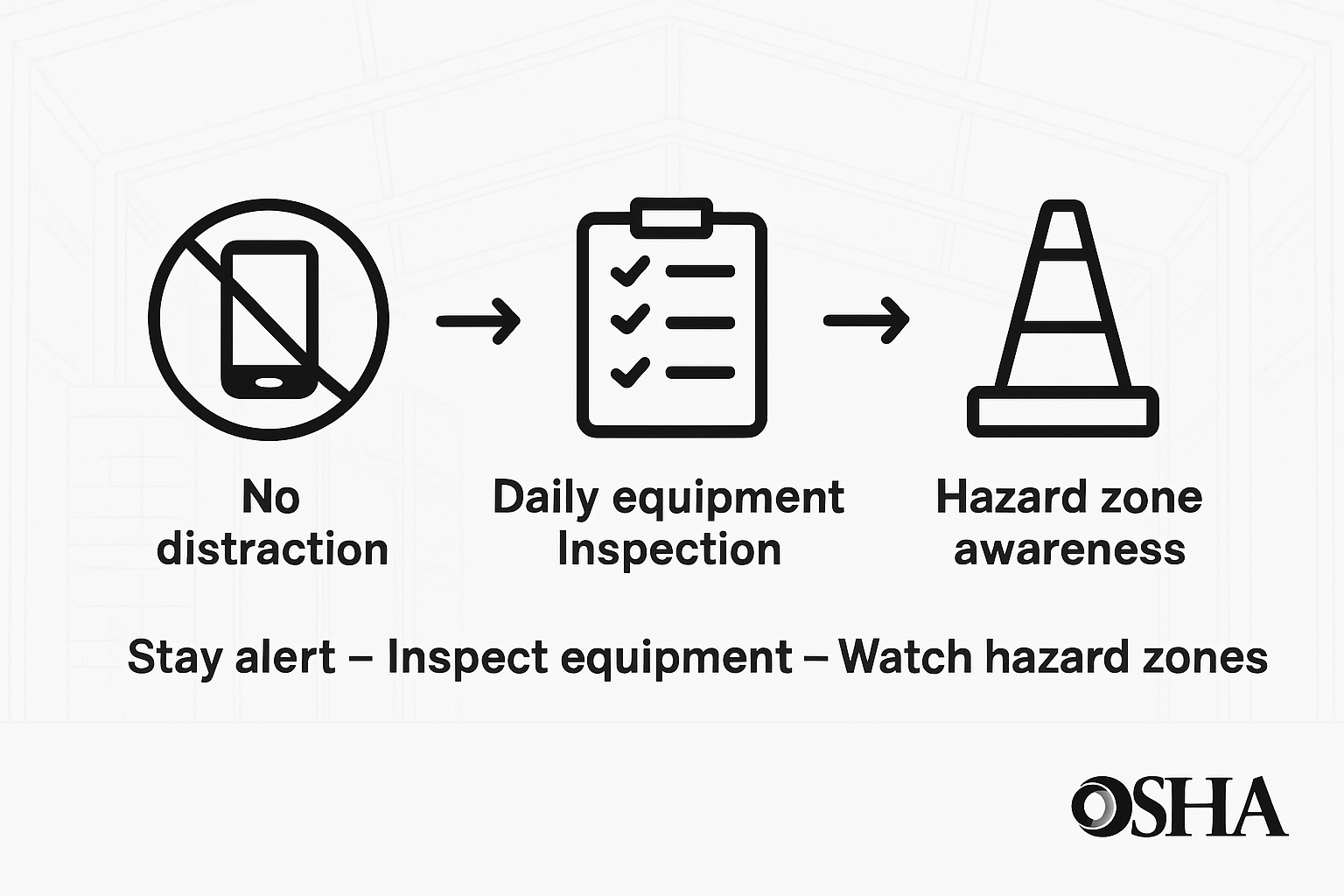
Operator negligence frequently emerges as the primary source of workplace accidents. Critical safety violations include exceeding load capacities, improper equipment maintenance, inadequate operator training, and failure to observe proper pedestrian zones. Safety best practices emphasize the importance of comprehensive training and consistent risk assessment to mitigate potential incidents.
Common safety violations that significantly increase accident risks include:
Prevention strategies require a multifaceted approach that combines rigorous training, consistent equipment maintenance, and a robust safety culture. Safety checklist protocols provide operators with systematic methods to identify and mitigate potential risks before they escalate into serious incidents.
Key accident prevention strategies involve:
Successful workplace safety requires an ongoing commitment to identifying, understanding, and proactively addressing potential operational risks.
Understanding and complying with OSHA forklift safety standards is essential to prevent accidents and protect your workforce. This article highlights the challenges operators and employers face such as rigorous certification requirements, equipment-specific training, and maintaining ongoing compliance to reduce liability risks. If you need to overcome these safety challenges and achieve full OSHA compliance, reliable training and certification programs are the key.
Take control of workplace safety today by enrolling in expert-led, OSHA-compliant forklift training available through Forkliftacademy.com. Whether you are an individual seeking certification or a business aiming to implement comprehensive safety programs, our courses are designed to help you meet all regulatory requirements efficiently and effectively. Explore our extensive resources within the Forklift Safety Archives and secure your forklift license with confidence through Forklift License Archives. Visit us now at Forkliftacademy.com to advance your forklift skills and foster a safer workplace environment.
Key forklift safety standards include mandatory operator certification, regular equipment inspections, proper usage of personal protective equipment, clear communication protocols, and consistent equipment maintenance.
OSHA classifies forklifts into distinct categories such as electric motor rider trucks, electric motor narrow aisle trucks, and internal combustion engine trucks, each with unique operational specifications and safety protocols.
The forklift operator certification process involves comprehensive classroom instruction, hands-on practical skills assessment, written and performance-based examinations, and regular recertification to maintain safety standards.
Common safety violations include overloading equipment, insufficient operator training, neglecting equipment maintenance, failing to conduct pre-shift inspections, and ignoring pedestrian safety zones.