
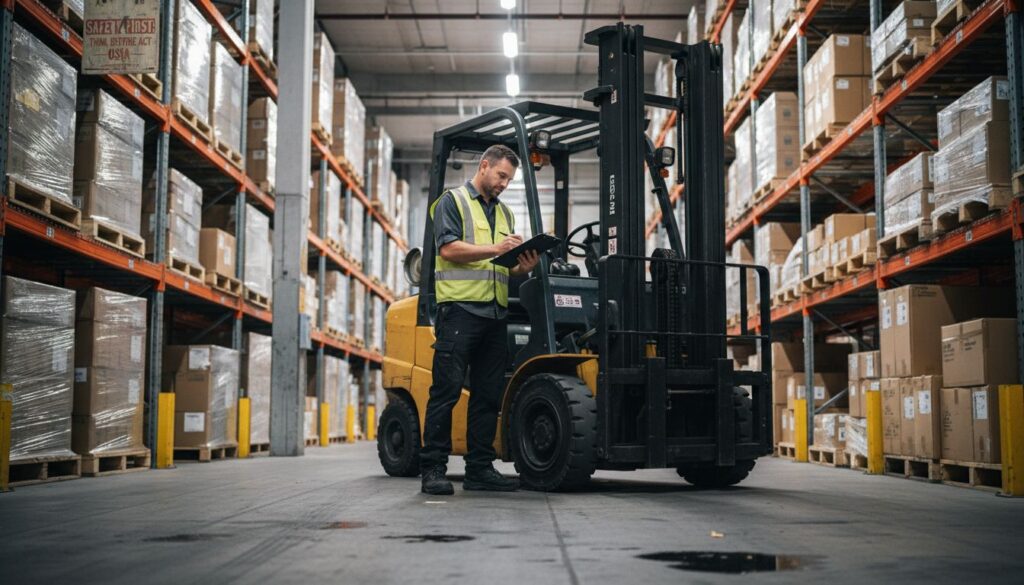

Nearly 80 percent of forklift accidents in American workplaces could be prevented with proper training and certification. Navigating the strict safety standards set by the Occupational Safety and Health Administration is not just a legal obligation but a direct way to safeguard your employees and business. Understanding each step of American forklift certification helps you minimize risks, protect your team, and confidently meet federal compliance standards.
| Important Insight | Explanation |
|---|---|
| 1. Understand OSHA Training Requirements | Employers must develop a detailed training program covering safe operation, workplace hazards, and OSHA regulations for forklift operators. |
| 2. Maintain Comprehensive Documentation | Keep detailed records for each operator, including training dates and evaluations, for a minimum of three years to ensure compliance. |
| 3. Choose the Right Training Format | Select between online programs for flexibility or onsite training for hands-on experience, ensuring both meet OSHA standards. |
| 4. Pass Evaluations for Certification | Obtain certification by passing a written test and a practical skills assessment, demonstrating knowledge of safety and operational protocols. |
| 5. Regularly Renew Certification and Skills | Employers should evaluate operators at least every three years and encourage continuous learning to maintain certification and safety standards. |
Assessing OSHA forklift training requirements is your first critical step toward workplace safety and legal compliance. Understanding these requirements protects workers, prevents accidents, and ensures your organization meets federal safety standards.
OSHA mandates comprehensive training that goes beyond simple instruction. Employers must develop a detailed training program covering safe truck operation, specific vehicle types, workplace hazards, and general safety standards. This training must include three key components: formal instruction, practical hands-on training, and performance evaluation in the actual workplace environment.
The training must comprehensively address multiple critical areas. Operators need specific instruction on operating guidelines, equipment warnings, precautions for the exact forklift type they will operate, and complete OSHA standard requirements. Certification is not optional but mandatory, with employers required to verify that each operator is trained and authorized to use the specific equipment in their work environment. Practical skills assessment is just as important as classroom learning, ensuring operators can safely navigate real world challenges.
Pro tip: Document everything. Maintain detailed training records showing each operator’s specific certifications, training dates, and performance evaluations. These records are your best defense during potential OSHA inspections and demonstrate your commitment to workplace safety.
Gathering the right documentation and training materials is essential for achieving comprehensive OSHA forklift certification. This step ensures you have all the necessary paperwork and resources to demonstrate compliance and protect your workplace.
OSHA mandates specific documentation requirements that go beyond basic record keeping. You must maintain comprehensive written certification records for each forklift operator. These records must include critical details such as the operator’s name, precise training date, evaluation date, and the identity of the individuals who conducted the training and evaluation. Importantly, these records must be preserved for a minimum of three years from the training date.
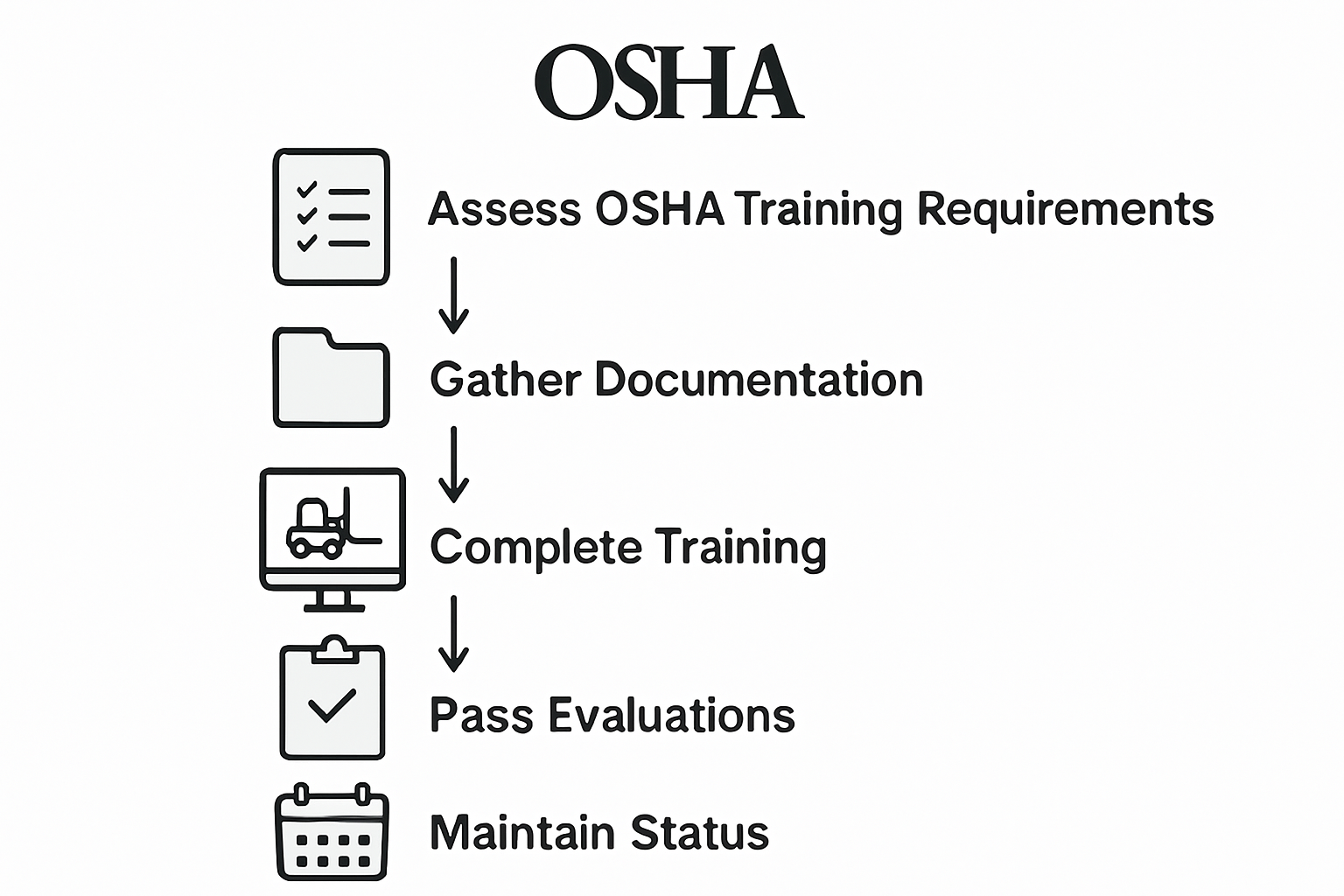
When compiling your documentation, focus on creating a systematic approach. Develop a standardized documentation template that captures all required information consistently. Include sections for personal details, specific training modules completed, equipment types authorized, and performance evaluation outcomes. Consider creating digital and physical backup copies to ensure you have multiple layers of record protection.
Pro tip: Create a dedicated filing system specifically for forklift training documentation. Use color coded folders, digital backup systems, and a tracking spreadsheet to monitor certification expiration dates and upcoming renewal requirements. This proactive approach will streamline your compliance efforts and demonstrate your commitment to workplace safety and regulatory adherence.
Comprehensive forklift certification training is critical for ensuring workplace safety and meeting OSHA requirements. This step involves selecting and completing the most appropriate training format to equip operators with the knowledge and skills necessary for safe forklift operation.
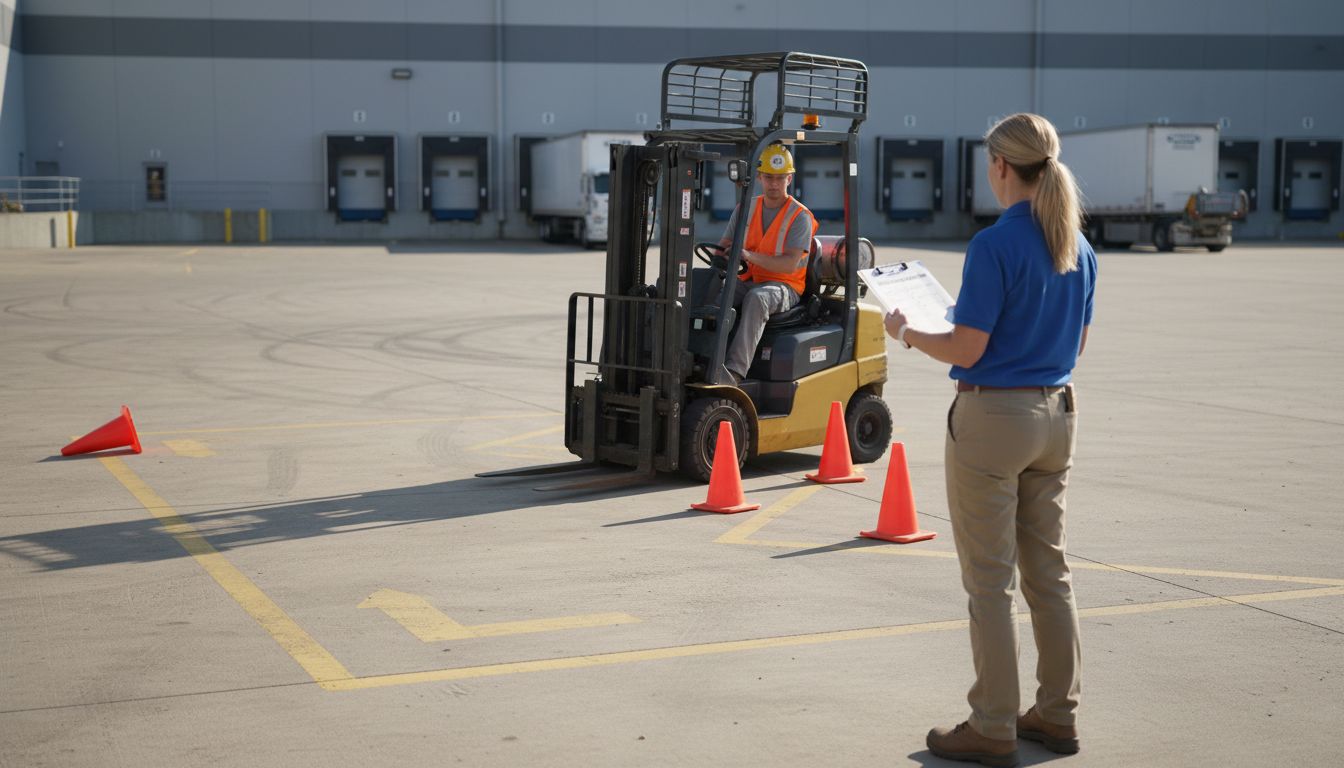
Forklift operators have two primary training options: online certification programs and onsite hands-on training. Online training provides flexibility and convenience, allowing participants to complete theoretical components at their own pace. These programs typically include interactive modules, safety videos, comprehensive written materials, and knowledge assessments that cover essential operating principles, workplace hazards, equipment handling techniques, and regulatory compliance requirements.
Onsite training offers a more immersive learning experience with direct instructor interaction and practical equipment operation. This format allows operators to receive immediate feedback, practice real-world scenarios, and demonstrate their skills in a controlled environment. Experienced trainers can provide personalized guidance, assess individual performance, and address specific workplace challenges unique to your operational context.
Pro tip: Regardless of the training format you choose, ensure the program meets OSHA standards and provides a comprehensive certification that covers both theoretical knowledge and practical skills. Review the curriculum thoroughly, verify instructor credentials, and prioritize training that offers detailed performance evaluation and documentation.
Passing both the written and hands-on evaluation is the critical final step in obtaining your forklift certification. This comprehensive assessment ensures that you have the theoretical knowledge and practical skills necessary to operate a forklift safely and professionally.
The written evaluation tests your understanding of essential safety principles, operational guidelines, and OSHA regulations. Forklift operators must successfully complete a comprehensive written test that covers topics such as equipment inspection, workplace hazard identification, load handling techniques, and proper operational procedures. Expect multiple-choice questions that assess your ability to recognize potential safety risks, understand equipment limitations, and apply correct operational protocols in various scenarios.
The hands-on practical evaluation is where you demonstrate your actual forklift operating skills. A qualified evaluator will observe your performance in a controlled environment, assessing your ability to maneuver the forklift, handle loads, navigate tight spaces, and implement safety protocols. This assessment goes beyond basic operation to evaluate your situational awareness, precision, and adherence to safety standards. The evaluator will be looking for smooth movements, proper load management, correct use of safety equipment, and the ability to anticipate and prevent potential workplace hazards.
Pro tip: Prepare thoroughly by reviewing training materials multiple times, practicing key maneuvers during hands-on training, and developing a confident yet cautious approach to forklift operation. Remember that certification is not just about passing a test but demonstrating a genuine commitment to workplace safety and professional excellence.
Maintaining your forklift certification is an ongoing process that requires proactive management and continuous learning. This step ensures you remain compliant with safety regulations and maintain your professional credentials.
Employers must evaluate forklift operator performance at least once every three years, with additional mandatory evaluations triggered by specific safety events. These events include unsafe operational observations, involvement in accidents or near-miss incidents, or performance evaluations revealing substandard operating techniques. During these periodic assessments, you will need to demonstrate continued competence in forklift operation, safety protocols, and workplace risk management.
To maintain your certification status, create a personal tracking system that monitors your certification expiration date, upcoming evaluation requirements, and professional development opportunities. This proactive approach involves regular self assessment, staying updated on current safety guidelines, and seeking additional training or refresher courses that enhance your skills. Develop a habit of documenting your operational performance, attending safety workshops, and maintaining a clean safety record that demonstrates your commitment to workplace excellence.
Pro tip: Treat your forklift certification as a living professional credential. Continuously improve your skills, stay informed about technological advancements in equipment operation, and view each evaluation as an opportunity for growth rather than a compliance requirement.
Struggling to navigate the detailed steps of OSHA forklift training and certification can feel overwhelming. This article’s checklist highlights critical challenges like comprehensive training requirements, documentation management, evaluation readiness, and certification maintenance. You want a reliable partner to help you tackle these goals efficiently without compromising safety or compliance. Whether formal instruction, hands-on practice, or documentation tracking is your biggest concern, staying OSHA-compliant and protecting your team is essential.
Explore how Forkliftacademy.com transforms the certification journey with expertly designed OSHA-compliant programs available online and onsite. With more than 20 years of experience, our platform supports every step from initial training through performance evaluation and ongoing certification upkeep. Browse our Forklift Certification Archives for specialized courses and solutions tailored for your workplace’s specific needs. Ready to simplify OSHA compliance and boost your operational safety today? Visit us and get started now at Forkliftacademy.com.
To achieve OSHA compliance, forklift training must include formal instruction, practical hands-on training, and performance evaluation. Develop a comprehensive training program that addresses safe operation, specific vehicle types, and workplace hazards to ensure a thorough understanding.
Maintain detailed written certification records for each forklift operator, including their name, training dates, and evaluation outcomes. Create a dedicated filing system with digital backups to ensure compliance and simplify future audits.
Operators can choose between online certification programs and onsite hands-on training. Evaluate both formats’ benefits and select one that meets OSHA standards and includes practical skills assessment to enhance safety.
Prepare by thoroughly reviewing training materials and practicing key maneuvers in a controlled environment. Aim to develop a confident approach to operating the forklift, as both evaluations will assess your understanding of safety protocols and practical skills.
OSHA requires evaluation of forklift operator performance at least every three years, with additional assessments triggered by specific safety incidents. Schedule regular evaluations to ensure ongoing compliance and reinforce safety practices among operators.
If your forklift certification is approaching expiration, schedule a performance evaluation promptly and seek refresher training if needed. Treat this as a priority to maintain compliance and ensure continued safety in the workplace.