
Over 20,000 serious injuries involving aerial lifts are reported annually in american workplaces. Understanding the role of a scissor lift operator is key to working safely and efficiently in modern industries. These professionals keep construction sites, warehouses, and event spaces running smoothly while handling equipment that demands expert attention to detail and safety. Get clear insights on what it takes to excel as a scissor lift operator and why their work matters on every american job site.
Table of Contents
- Scissor Lift Operator: Core Definition And Scope
- Types Of Scissor Lifts And Common Work Environments
- Certification, OSHA Regulations, And Training Requirements
- Key Responsibilities And Daily Safety Procedures
- Risks, Legal Liabilities, And Common Mistakes
Key Takeaways
| Point | Details |
|---|---|
| Role of Scissor Lift Operators | Scissor lift operators are essential for safely managing mobile elevated work platforms in various industries, requiring extensive training and understanding of equipment. |
| Types of Scissor Lifts | There are five primary types of scissor lifts, each suited for specific environments, including hydraulic, diesel, electric, rough terrain, and pneumatic. |
| Certification and Training | Operators must complete formal training and maintain ongoing certification, focusing on risk assessment and compliance with OSHA regulations. |
| Safety Responsibilities | Daily safety procedures include thorough pre-operational inspections, personal protective equipment usage, and continuous training to prevent workplace accidents. |
Scissor Lift Operator: Core Definition and Scope
A scissor lift operator is a specialized professional responsible for safely operating mobile elevated work platforms designed to move personnel vertically in various industrial settings. These skilled workers play a crucial role in industries like construction, manufacturing, retail, and entertainment, where vertical mobility is essential for completing complex tasks.
Safety is paramount in this role. Scissor lift operators are trained personnel who must thoroughly understand the technical mechanisms of these unique machines. Unlike traditional aerial lifts, scissor lifts use a distinctive crossed beam mechanism that moves the work platform straight up and down, creating a scissoring motion that provides stable vertical elevation.
The core responsibilities of a scissor lift operator extend far beyond simply moving the platform. These professionals must conduct comprehensive equipment inspections, understand complex safety protocols, and maintain precise control in dynamic work environments. Operators are required to assess workplace conditions, calculate load capacities, navigate potential hazards, and ensure the safety of themselves and surrounding personnel while performing tasks at various heights. Technical proficiency, situational awareness, and rigorous safety training are the hallmarks of an exceptional scissor lift professional.
Key skills for scissor lift operators include:
- Mechanical equipment understanding
- Safety protocol compliance
- Load weight calculation
- Spatial awareness
- Precision maneuvering
- Risk assessment capabilities
Types of Scissor Lifts and Common Work Environments
Scissor lifts are versatile mobile platforms with multiple specialized variations designed to meet specific workplace demands. Scissor lifts are classified into five primary types: hydraulic, diesel, electric, rough terrain, and pneumatic systems. Each type offers unique capabilities tailored to different industrial requirements, enabling operators to navigate complex work environments with precision and safety.
The hydraulic scissor lift utilizes fluid pressure mechanisms for lifting, making it ideal for indoor environments with smooth surfaces. Diesel scissor lifts provide robust outdoor performance, delivering powerful elevation capabilities for rugged construction sites and uneven terrain. Electric scissor lifts offer quiet, emissions-free operation perfect for indoor maintenance and warehouse applications. Rough terrain scissor lifts feature enhanced suspension and larger wheels, specifically engineered to handle challenging outdoor work conditions like construction zones and agricultural settings.
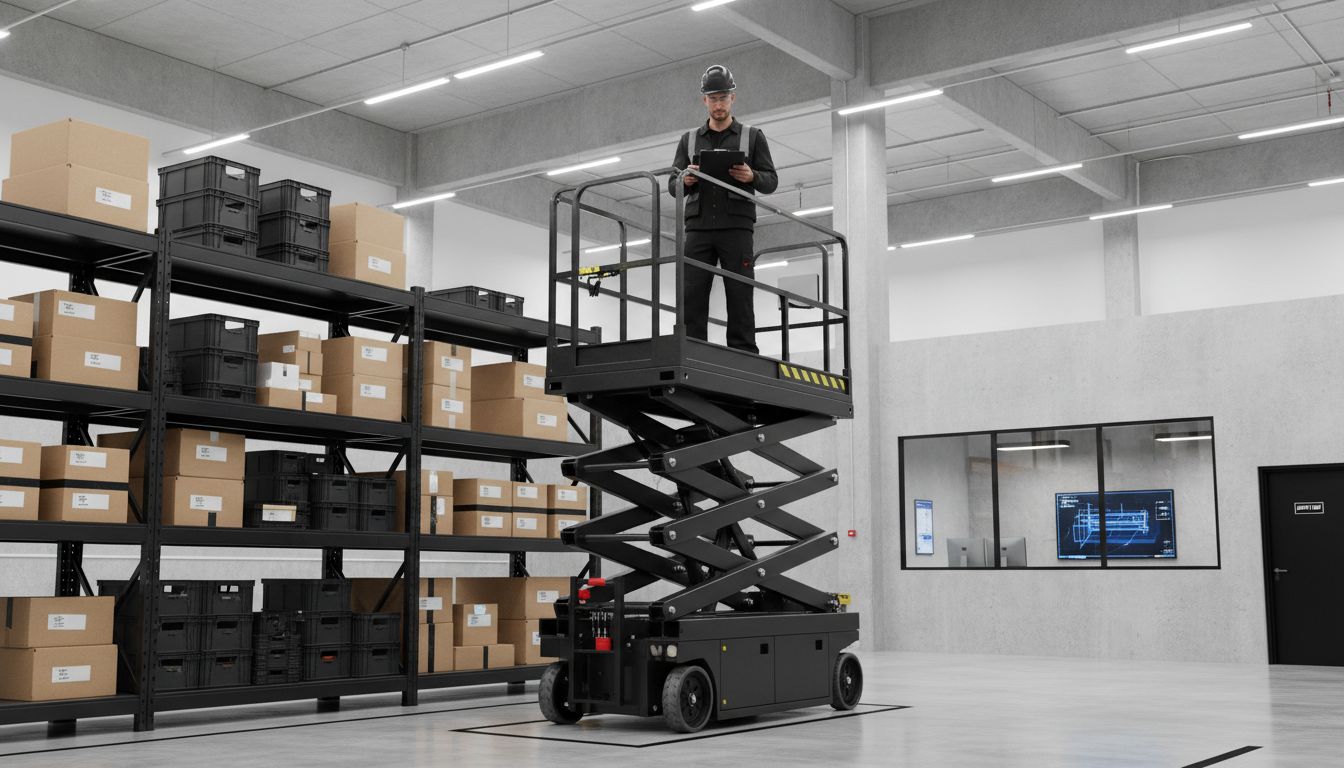
These specialized lifting platforms find extensive applications across multiple industries. Aerial work platforms are critical in construction, telecommunications, warehousing, building maintenance, and facility management. Operators must understand each lift’s unique characteristics to select the most appropriate equipment for specific tasks, ensuring maximum safety and operational efficiency.
Common work environments for scissor lifts include:
- Construction sites
- Industrial warehouses
- Maintenance facilities
- Telecommunications infrastructure projects
- Retail store installations
- Event management and entertainment venues
- Agricultural maintenance areas
- Automotive manufacturing plants
Certification, OSHA Regulations, and Training Requirements
Scissor lift operators must navigate a complex landscape of professional certification and safety regulations to legally and safely perform their work. Forklift certification requirements provide a critical framework for ensuring workplace safety and operational competence. OSHA mandates comprehensive training that goes beyond basic operational skills, focusing on risk assessment, equipment inspection, and hazard prevention.
Certification processes typically involve a rigorous combination of classroom instruction and hands-on practical training. A standard certification program covers essential elements including equipment-specific operation techniques, workplace safety protocols, fall protection strategies, and comprehensive equipment inspection procedures. Operators must demonstrate proficiency in recognizing potential workplace hazards, understanding equipment limitations, and implementing proper safety measures during every phase of lift operation.
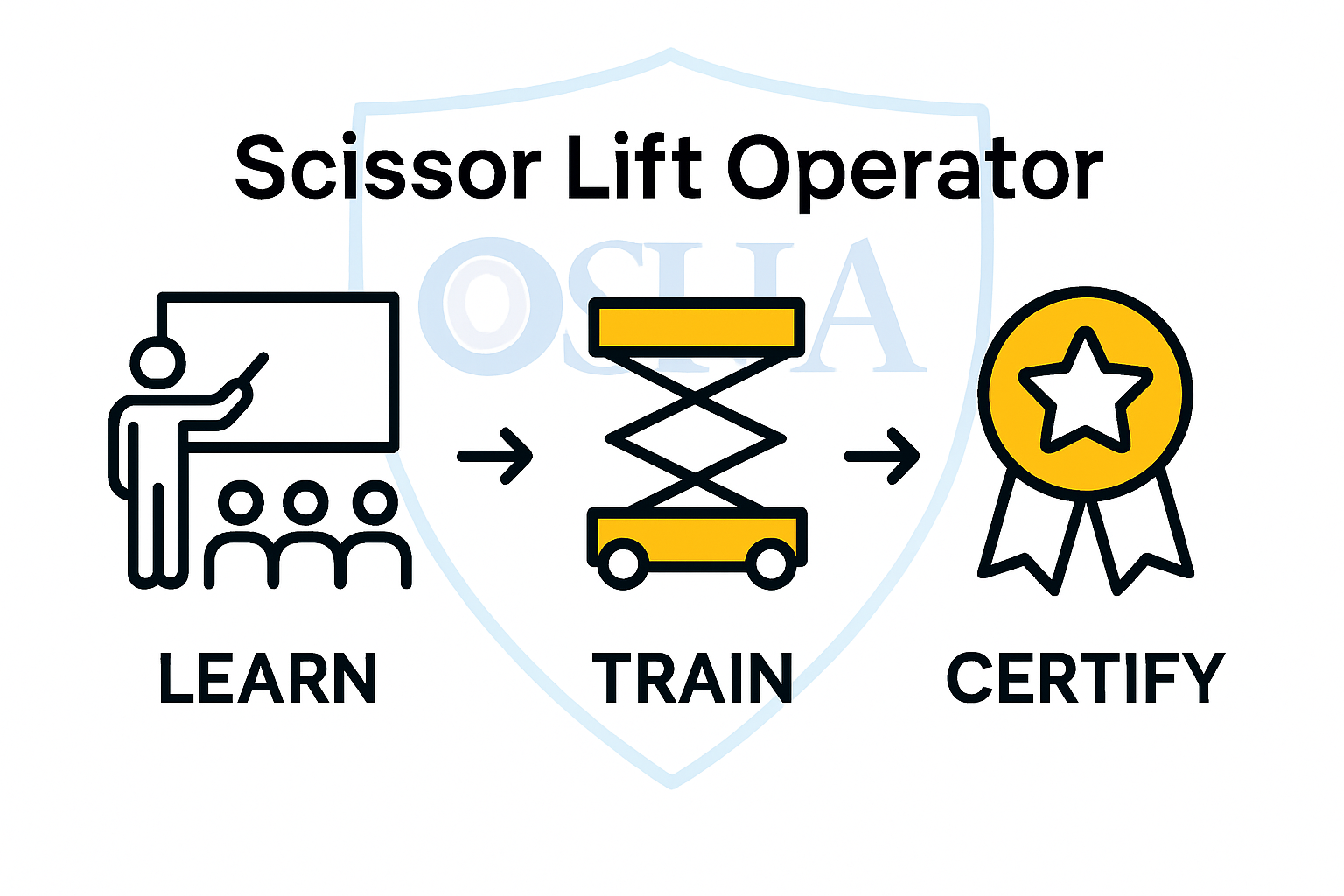
Under OSHA guidelines, employers are legally responsible for ensuring that only trained workers operate scissor lifts. This means conducting thorough training programs that explicitly teach workers how to identify unsafe working conditions, properly use fall protection equipment, and understand the specific stability and positioning requirements for different work environments. Certification is not a one-time event but an ongoing process that requires periodic retraining and skill assessment to maintain operational competence and workplace safety.
Key certification requirements include:
- Completion of a formal training program
- Passing written and practical examinations
- Demonstrating equipment-specific operational skills
- Understanding OSHA safety regulations
- Proving proficiency in hazard recognition
- Maintaining current certification through periodic recertification
Key Responsibilities and Daily Safety Procedures
Scissor lift operators bear significant responsibility for maintaining workplace safety through meticulous daily procedures and proactive risk management. Forklift safety best practices underscore the critical nature of comprehensive equipment management and personal vigilance. Operators must approach each work shift with a systematic, methodical mindset focused on preventing potential accidents and ensuring optimal equipment performance.
Pre-operational inspections are the cornerstone of daily safety procedures. Operators must conduct thorough visual and functional assessments of the scissor lift before initiating any work, carefully examining critical components such as hydraulic systems, structural integrity, guardrails, control mechanisms, and tire conditions. This comprehensive inspection process helps identify potential mechanical issues, structural weaknesses, or safety hazards that could compromise operational efficiency and worker safety.
Personal protective equipment (PPE) and adherence to manufacturer guidelines represent another crucial aspect of an operator’s safety responsibilities. Workers must consistently wear appropriate safety gear, including hard hats, safety glasses, high-visibility vests, and fall protection equipment. Understanding and implementing specific operational protocols for different work environments requires continuous training and a commitment to maintaining the highest standards of professional competence and situational awareness.
Key daily safety responsibilities include:
- Conducting comprehensive pre-shift equipment inspections
- Verifying all safety systems and control mechanisms
- Wearing appropriate personal protective equipment
- Assessing workplace environmental conditions
- Maintaining clear communication with ground personnel
- Reporting any equipment malfunctions immediately
- Following manufacturer-specified operational guidelines
- Maintaining accurate operational logs and documentation
Risks, Legal Liabilities, and Common Mistakes
Scissor lift operations involve complex legal and safety considerations that demand exceptional situational awareness and comprehensive risk management. Certification requirements emphasize the critical importance of understanding potential workplace hazards and implementing proactive safety strategies to mitigate legal and operational risks.
Workplace hazards are multifaceted and can result in significant legal liabilities for both operators and employers. OSHA identifies several primary risk categories, including potential falls, equipment tip-overs, and contact with overhead obstacles. Operators who fail to conduct thorough pre-operational inspections, ignore manufacturer guidelines, or operate equipment without proper training expose themselves and their employers to substantial financial and legal consequences. Negligence can lead to workers compensation claims, substantial OSHA fines, and potential criminal charges in cases of severe misconduct.
Common mistakes that significantly increase operational risks include improper platform loading, failing to assess ground stability, ignoring environmental conditions, bypassing safety mechanisms, and operating scissor lifts without appropriate personal protective equipment. These errors can quickly transform a routine task into a potentially fatal workplace incident. Successful risk mitigation requires continuous training, rigorous adherence to safety protocols, and a proactive approach to identifying and addressing potential workplace hazards before they escalate.
Key risks and potential legal vulnerabilities include:
- Inadequate fall protection
- Improper equipment maintenance
- Exceeding recommended weight capacities
- Operating in unstable or inappropriate terrain
- Neglecting mandatory safety inspections
- Insufficient operator training
- Bypassing safety interlocks and mechanisms
- Failing to use required personal protective equipment
Elevate Your Career with Professional Scissor Lift Training
Understanding the critical role of a scissor lift operator means recognizing the importance of safety, technical skill, and regulatory compliance in every lift operation. If you want to master mechanical equipment, comply with OSHA standards, and avoid costly legal liabilities, specialized training is essential. Our Forklift Certification Archives offer comprehensive courses designed to equip you with practical skills, hazard recognition, and confidence for safe operation.
Take the next step toward becoming a certified scissor lift professional today by enrolling with ForkliftAcademy.com. Benefit from online and onsite programs, expert instruction, and trusted resources that prioritize your safety and career growth. Don’t wait until a mistake occurs. Gain the knowledge and certification you need to work smart and safe right now.
Frequently Asked Questions
What are the key responsibilities of a scissor lift operator?
Scissor lift operators are responsible for safely operating scissor lifts, conducting equipment inspections, understanding safety protocols, navigating hazards, and ensuring workplace safety while performing tasks at various heights.
What types of scissor lifts are available for different work environments?
There are five primary types of scissor lifts: hydraulic, diesel, electric, rough terrain, and pneumatic. Each type is designed for specific applications, such as indoor maintenance, outdoor construction, and uneven terrain operations.
What training is required to become a certified scissor lift operator?
To become a certified scissor lift operator, individuals must complete a formal training program that includes classroom instruction and hands-on practical training, covering operational techniques and OSHA safety regulations, followed by passing examinations.
What are the common safety procedures scissor lift operators must follow?
Scissor lift operators should conduct pre-operational inspections, wear appropriate personal protective equipment (PPE), communicate with ground personnel, and adhere to manufacturer guidelines and safety protocols to maintain a safe working environment.
Recommended
- Understanding Scissor Lift Operator Responsibilities – Top Osha Forklift Certification
- Essential Scissor Lift Training Steps for Safe Operations – Top Osha Forklift Certification
- 7 Essential Tips for a Complete Scissor Lift Safety List – Top Osha Forklift Certification
- 7 Key Scissor Lift Training Essentials for Beginners – Top Osha Forklift Certification